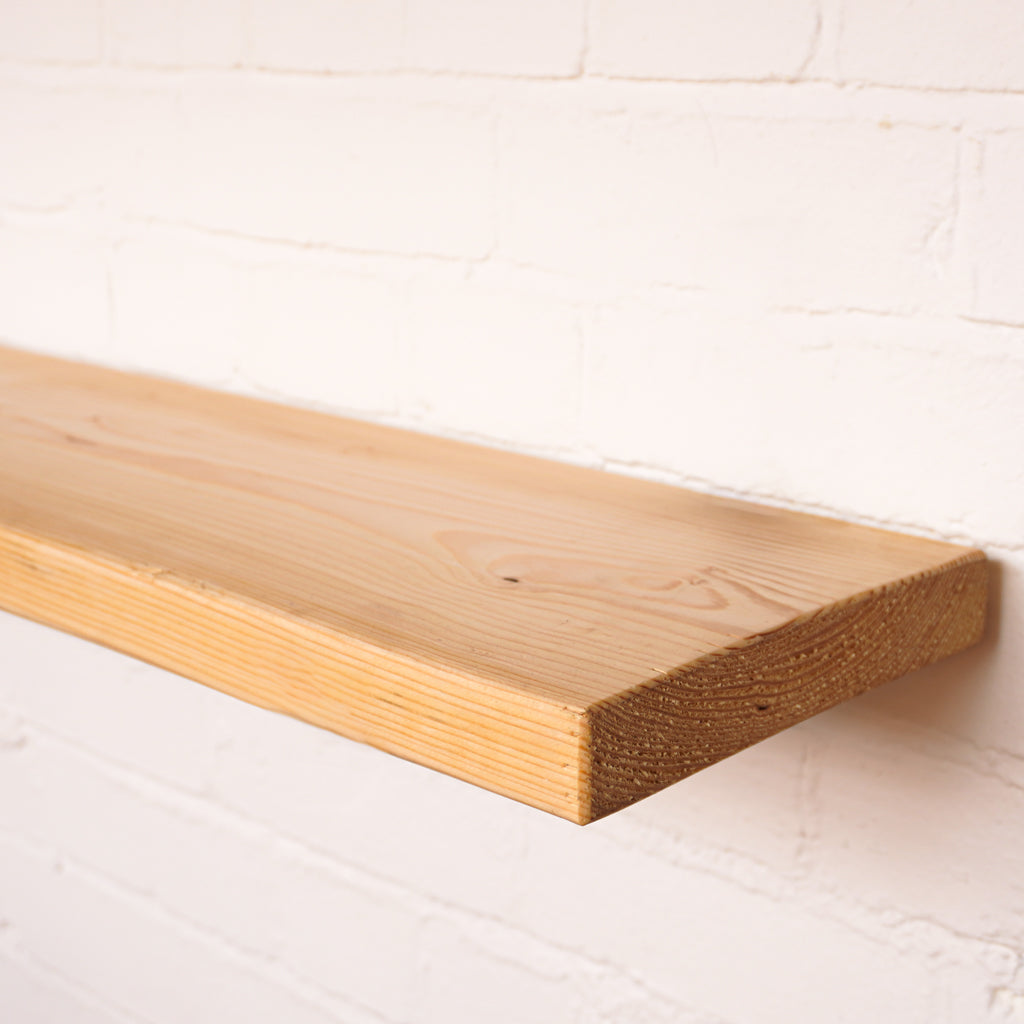
Beautifully Hand Made
Are Floating Shelves Out Of Style In 2026?
MADE IN FROME, SOMERSET

For decades, it has felt like we have lived in a minimalist world, one where the foundations and fixtures that hold up our homes need to be hidden or out of the way in the name of saving as much space as possible.
The evolution of this has been plain to see; cabinets have been replaced by wall mounts and reclaimed wood shelves in order to save space, and the fixtures securing these shelves to the wall have become increasingly hidden over the years.
The floating shelf is a logical endpoint to this, with a sleek, minimalist look that allows you to maximise your wall space and convert seemingly unusable nooks and crannies into open storage spaces.
They are ubiquitous in minimalist homes and have even bled over into other styles such as modern farmhouse and rustic industrial, but are they finally starting to lose their lustre?
With 15 years of working with scaffolding materials and openly celebrating the beauty of functional craftwork, we seem to have increasingly noticed that people are not as deeply besotted with hiding every bracket as they used to be.
Why is this? To find out, we need to explore the concept of floating shelves, when they work, the downsides of using them and how they are such a remarkable contradiction.
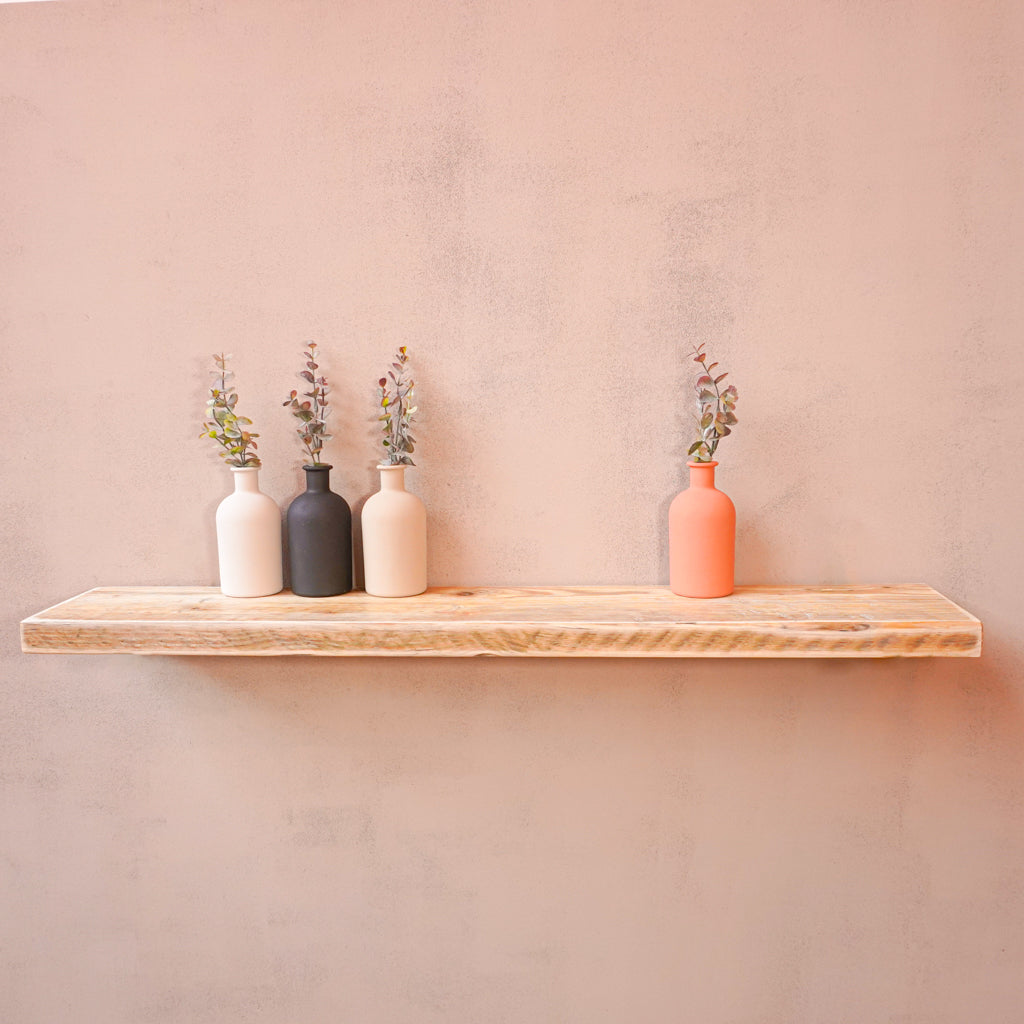

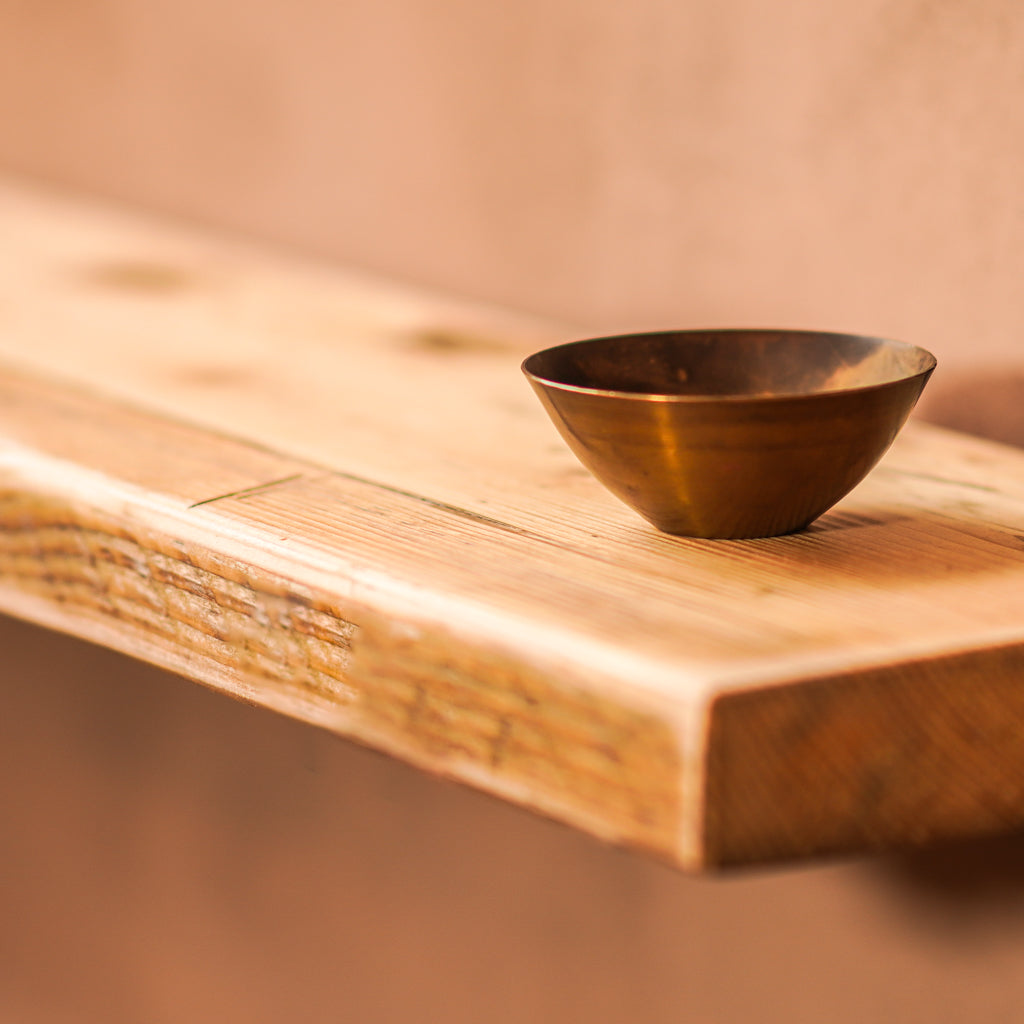

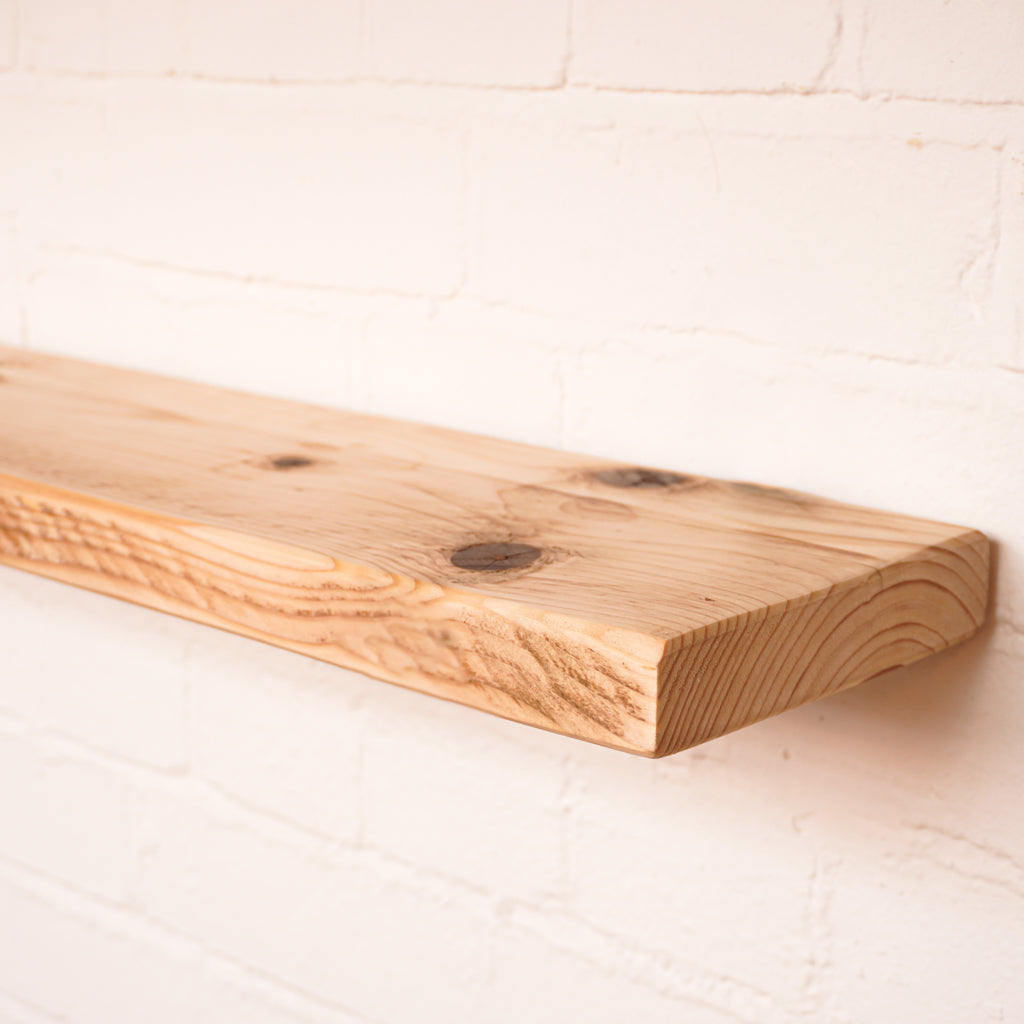

What Are Floating Shelves?
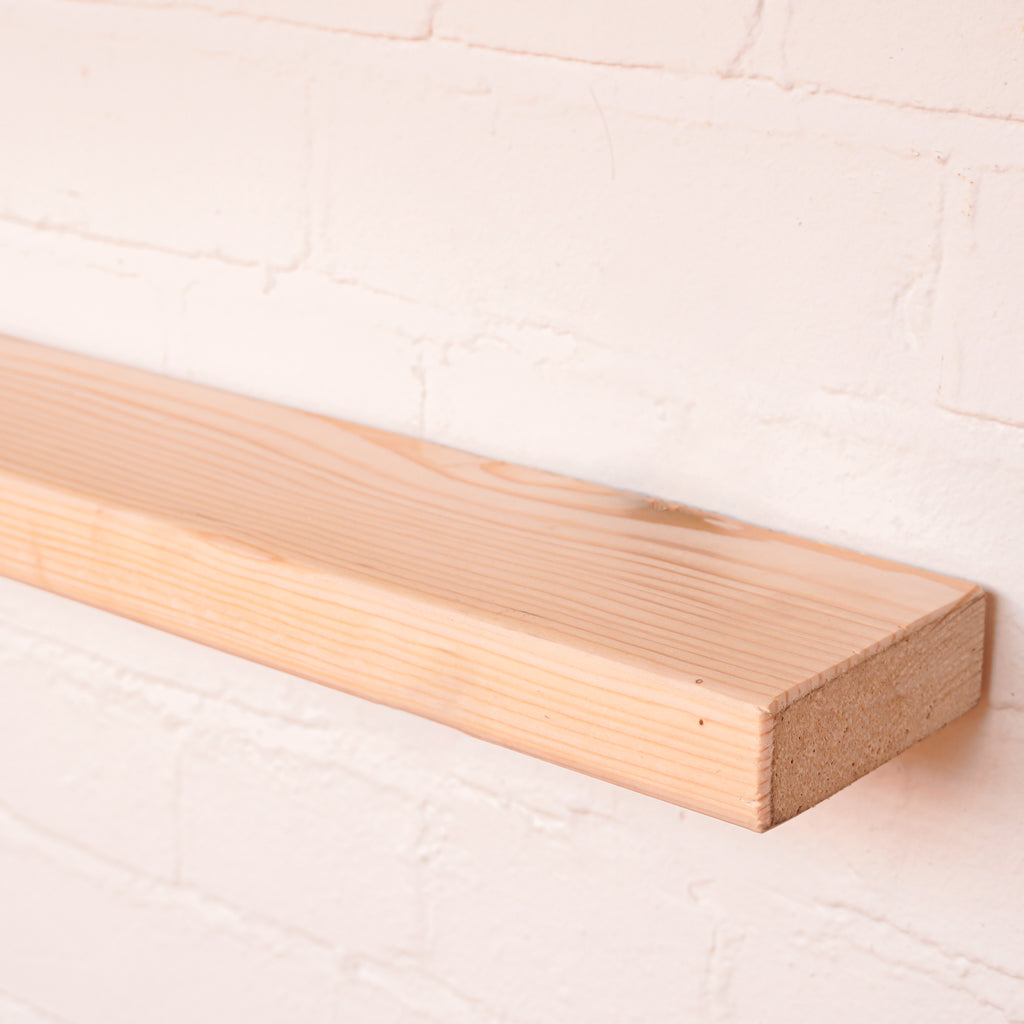
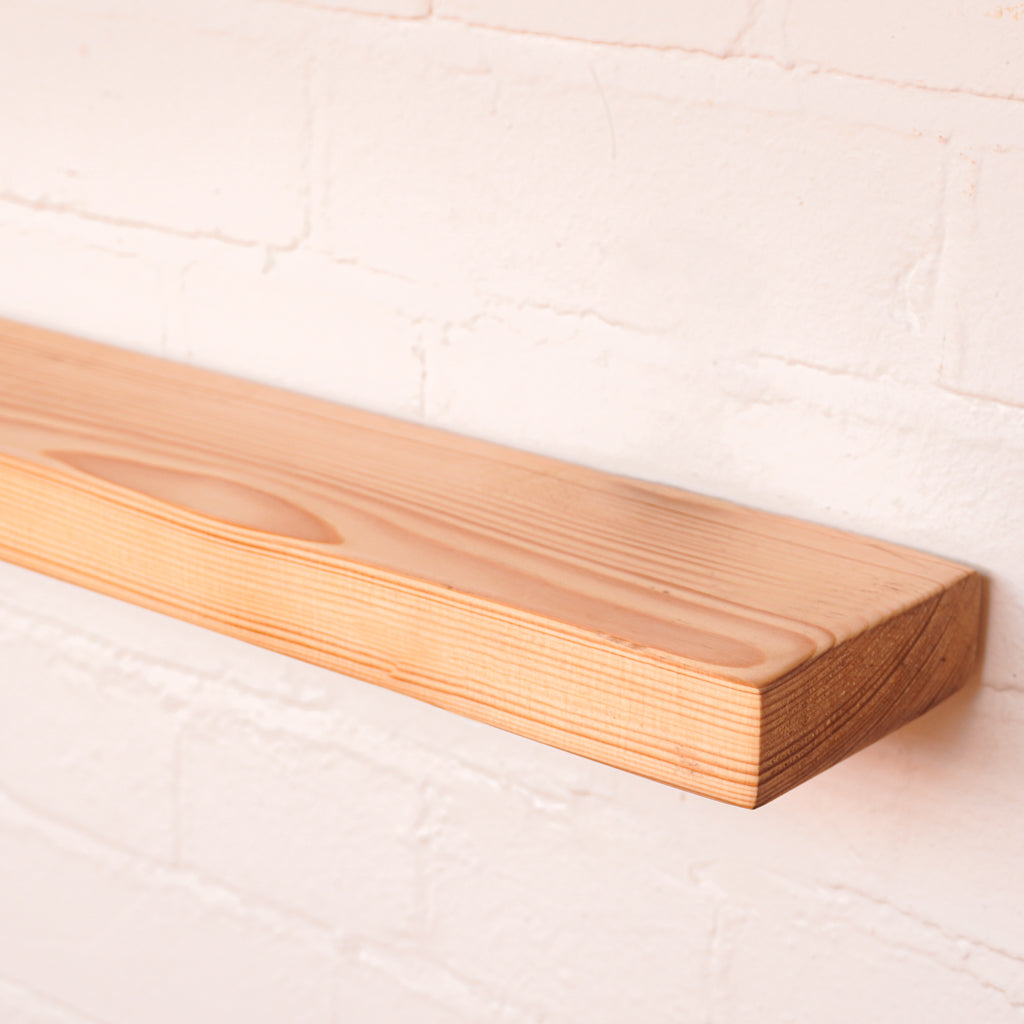
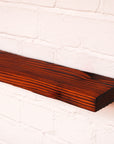
At its core, a floating shelf is a type of shelf where the fixtures, brackets and other hardware are not visible, typically seamlessly integrated into the shelf itself or with a relatively subtle visual profile that is simpler to install but provides a similar effect.
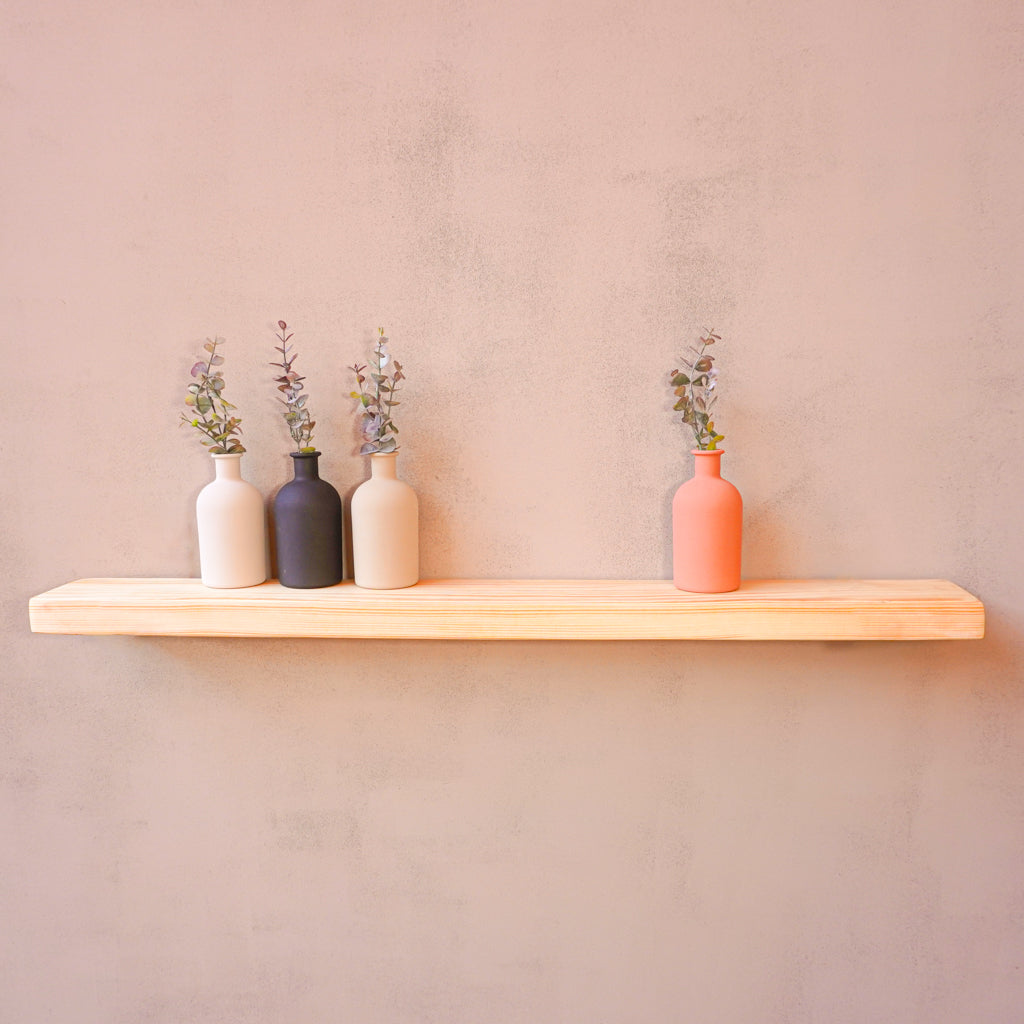
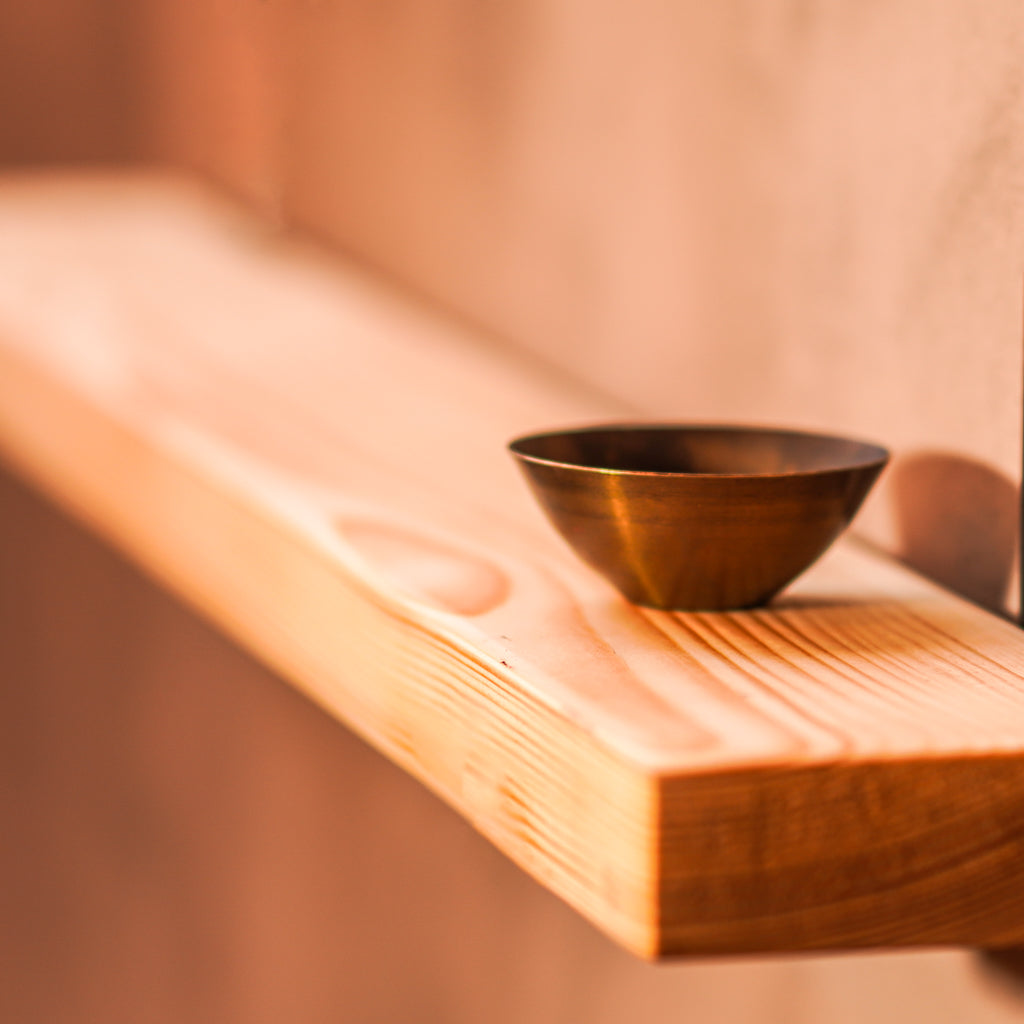
The result is a shelf that appears to be hovering in place, almost weightless, allowing for some truly minimalist storage design with clean lines and fewer limitations for placing objects.
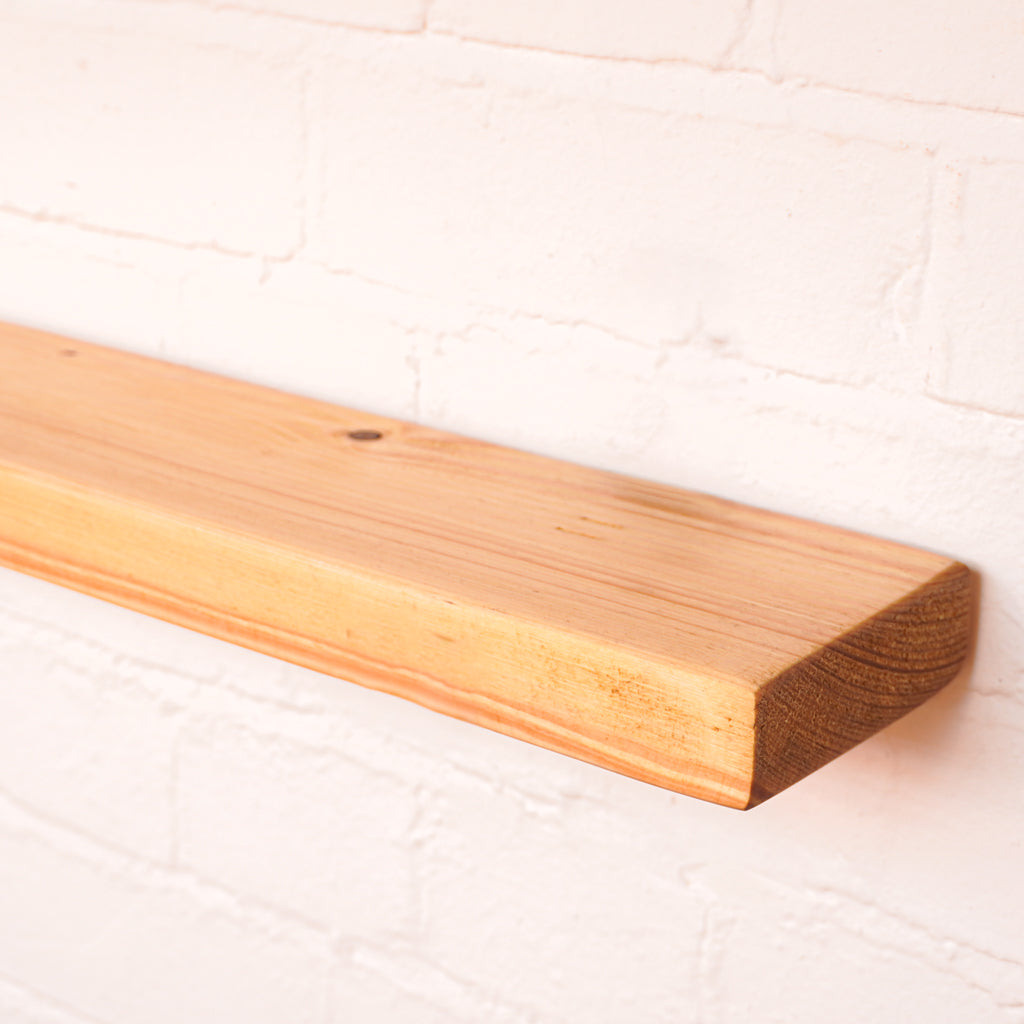
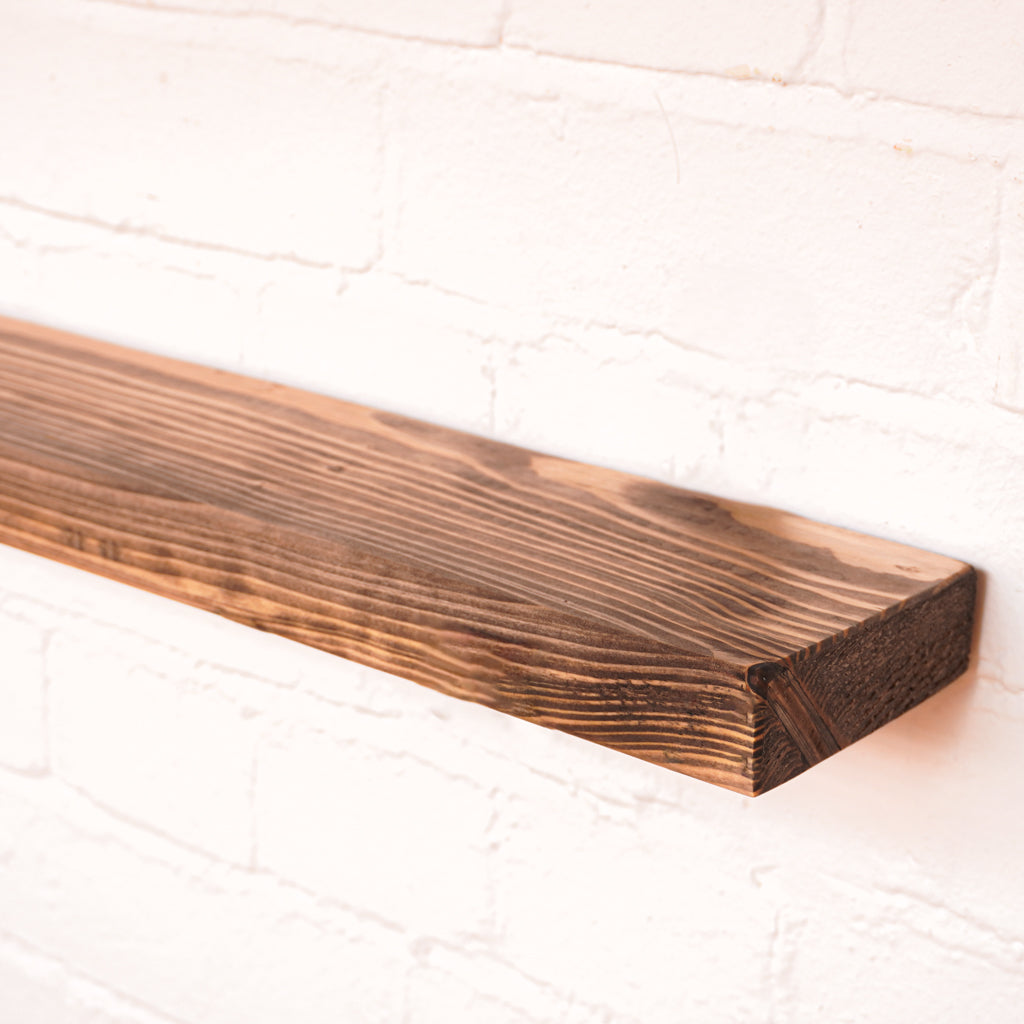
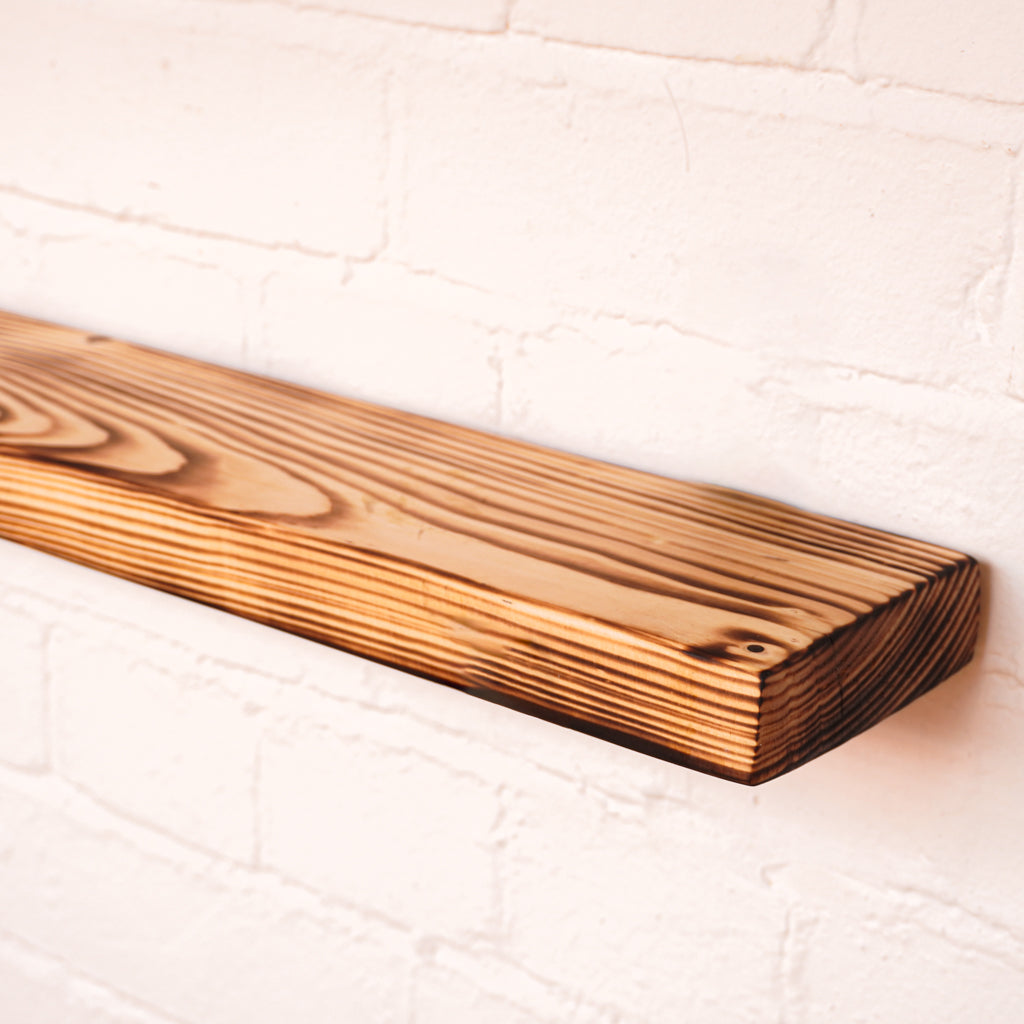
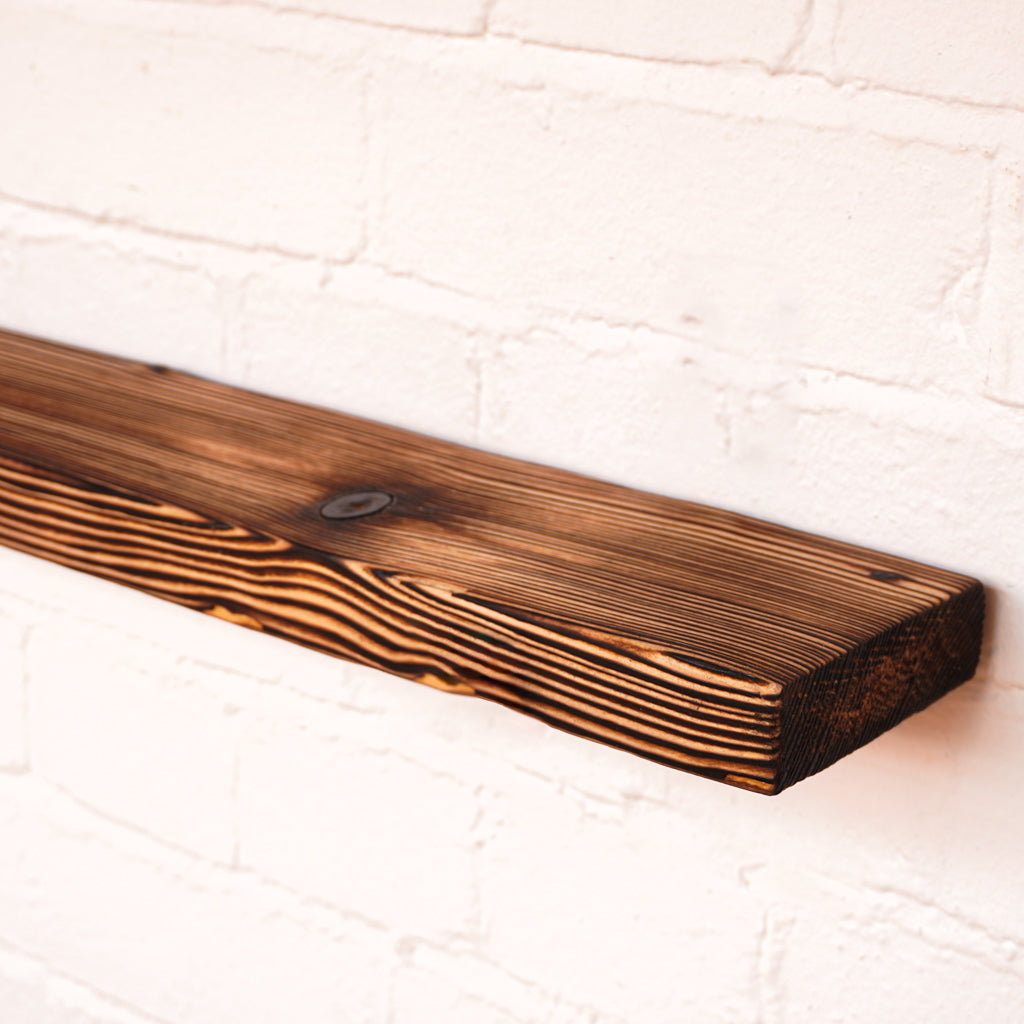
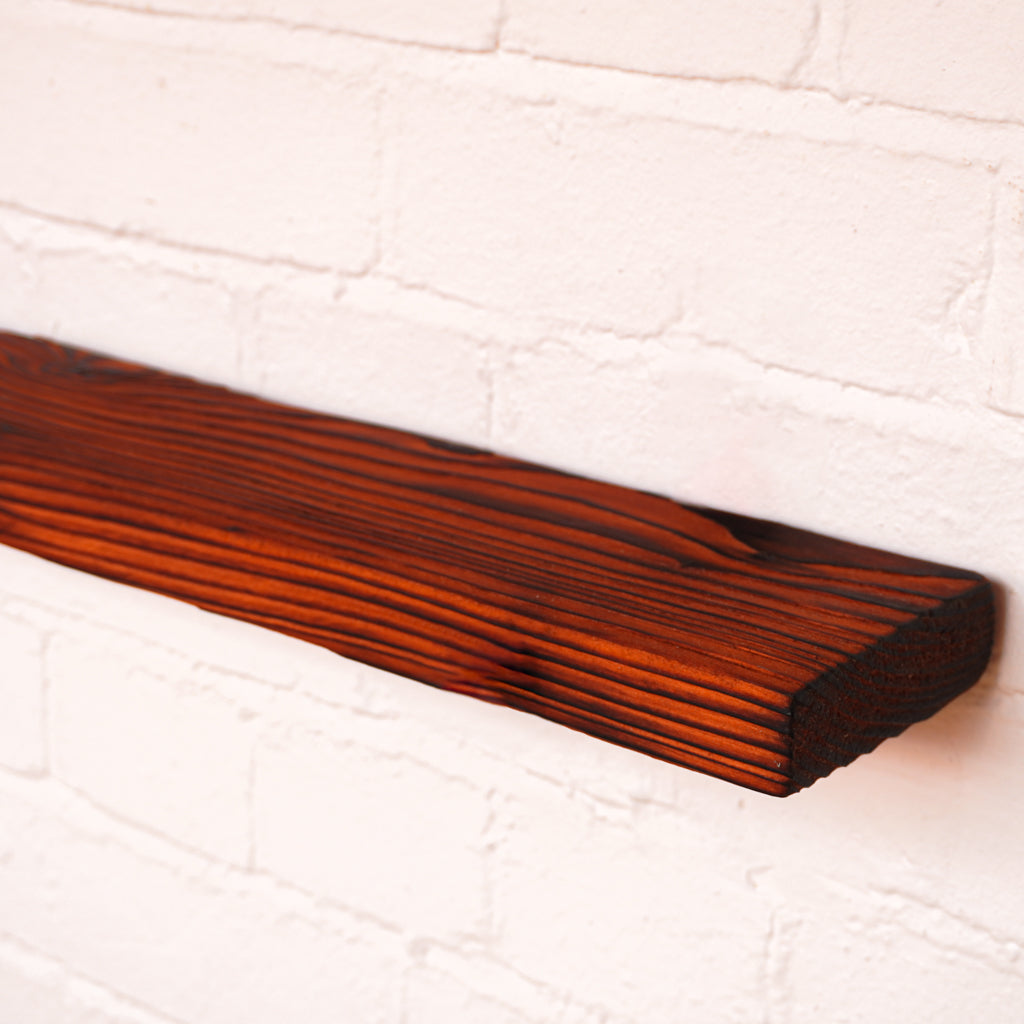
They come in various shapes, sizes, hardware forms and price points, and can vary in purpose from a set of open shelves to a piece of dedicated wall art in and of itself, especially if you use the right reclaimed scaffold board to make them.
When Are Floating Shelves Perfect For Your Room?
Floating shelves tend to be perfect for increasing the illusion of space, particularly if you use styling tricks such as the 3-5-7 rule to maximise the effect of your shelf space.
As a result of this, floating shelves tend to be best used in smaller rooms where floor space is at a premium and cabinetry can leave a room feeling cluttered or even claustrophobic.
A carefully curated set of shelves next to a mirror can create a striking illusion of space that can open out even tiny offices, studies or kitchens.
Beyond this, floating shelves tend to be particularly versatile when used in unusually sized or shaped spaces. If you have an alcove not quite big enough to fit a standard cupboard or wardrobe, a set of freestanding shelves can help to provide a remarkable storage solution.
You can also mix up their heights, materials and even shapes to create custom storage solutions that are not always possible with cabinets.
Which Interior Design Styles Suit Floating Shelves Best?
Whilst there was certainly a point in the recent history of interior design where it felt like floating shelves were utterly ubiquitous in every interior design magazine and across the aesthetics of social media, floating shelves are best installed in very minimalist design styles.
If you are laying out a room with the goal to enhance your space as much as possible and maximise the clean lines of your reclaimed wood furniture, floating shelves are an excellent addition.
In particular, styles such as Scandinavian minimalism, with its mix of neutral shades and natural textures, benefit considerably from a bracketless set of shelves, particularly if they are being used for greenery or similarly biophilic decoration.
Pair white or off-white walls with an accent wall with reclaimed scaff brick cladding, and floating shelves can continue to impress, but the era of integrating floating shelves everywhere appears to be over.
Are Floating Shelves Becoming Unfashionable?
There will always be a place for floating shelves in interior design, with just a few examples above, but there is clearly a trend away from the extensive and ubiquitous chunky floating look in favour of shelving with more visible hardware and heavy-duty brackets.
There are a lot of reasons for this, but the central connecting tissue is that the practical reality of having floating shelves does not match the curated and mediated social media appearance of them.
Floating shelves tend to have lower weight capacities than shelves with more visible brackets, whilst also being more difficult and complex to manufacture and install.
Contrast this with our elegant range of reclaimed chunky scaffold board shelving kits, which are not only easier to install with brackets that take up precious little wall space, but also provide heavy-duty storage capacity and a distinctive rustic finish that creates a talking point in itself.
Aesthetics are a key issue with floating shelves today, as many homeowners want distinctive features they can talk about, and if every home makes a point of hiding the elements that make it distinct, lived in and designed, it can feel a little too sterile at times.
Floating shelves look great when they are curated, but when floating shelves are used every day, they can sometimes look far more cluttered than a fixed set of shelves or cabinets.
As people want everyday style and interior design they can live in, floating shelves have become increasingly impractical outside of situations where they are the only option.
What Is Replacing Floating Shelves?
- Shelves with decorative hardware, particularly in more industrial-inspired interior design
- Ceiling-hung shelves, particularly in kitchen islands or more open plan living spaces which lack the walls to fit floating shelves
- Free-standing shelves, bookcases and pantries
- Cabinets, especially in kitchens
- Bespoke shelving units, particularly as part of a media wall
- Modular shelving units which provide more versatility.
Are you reconsidering floating shelves in favour of a more stylish industrial solution? Explore our collection of reclaimed scaffold wooden shelves, with durability, heritage and timeless design at the centre of everything we make.
Featured product

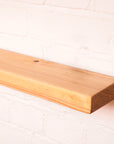
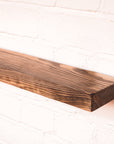
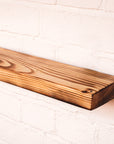
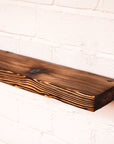
DIY CORNER DESK
The Scaff Shop works with customers on many levels. Some need more time, tools, or necessary skills; no matter the reason, you can purchase everything you need, and it can be delivered to your door as a finished product. Some customers have the time, skills and tools that may want to build your corner desk, and that is cool with us, too! What we have offered below is a list of the products required to make your perfect corner desk.
First up are the Scaffold Boards. One thing to remember when buying reclaimed scaffold boards is that they have previously been used. The life-altering wear and tear changes to those boards make them unique compared to new boards. For this, you will need four six-foot boards and two two-foot boards. Once the boards have been cut and joined together using biscuits, glue, and clamps, they will make the desktop. Sounds easy. Well, I'm sure there will be some sweat and tears before you finish.
Once the desktop is joined, you can start the finishing process by rubbing it down and selecting the type of oil you want to use to finish your desk. The last part is deciding what legs you want to use with your desk, which depends on the look you are going for.