Beautifully Hand Made
What Are The Key Characteristics Of Rustic Interior Design?
MADE IN FROME, SOMERSET

As certain as the sun rising every day, rustic interior design will always have a place in our homes and our lives.
Whilst there are certain interior design trends that come and go, particularly when it comes to styles strongly inspired by sleek minimalism or more elaborate and artificial ornamentation, rooms styled by tradition and nature will always have an appeal.
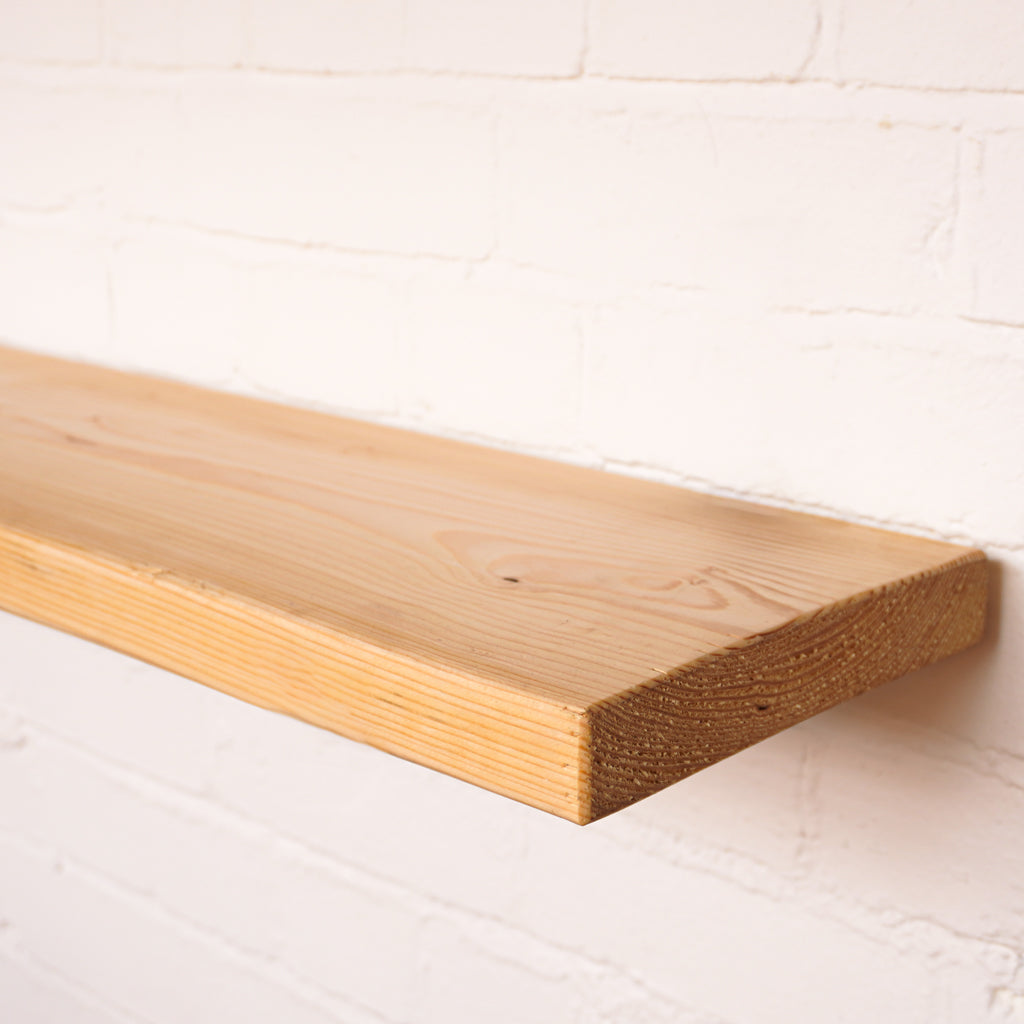
Having worked for fifteen years with distinctly more industrial materials, the reason why is not difficult to find; we are inherently drawn to stories, and a rustic wooden shelf provides so much character and heritage that we cannot help but be drawn to its authenticity.
We often explore the beautiful contrasts of rustic industrial design, but rustic styles more broadly paint a rich tapestry that celebrates our relationship with the materials that have nurtured us for as long as humanity has existed.
To explore the ways in which you can add a bit of rustic charm to your home, it is worth looking at all of the key building blocks that make up rustic interior design, and there is only one place to start.




What Is Rustic Interior Design?
What do we actually mean when we talk about rustic interior design? We often know it when we see it, but we need to all be on the same page when talking about rustic design in order to create a perfectly harmonious take on the style suited for your home.
When we think of rustic, we think of the countryside and the types of furniture, architecture and interior design that you associate with a rural cottage.
It is a design style that prioritises substance over style, using materials that are readily available and sturdy in their construction irrespective of aesthetics, paired together in a way that makes a house feel like a home.
Where Did Rustic Interior Design Come From?
The concept of using local materials and building techniques to build furniture is hardly new at all, but there was a shift from rustic being a necessity to being an overt choice that started in the late 19th century.
The Arts and Crafts Movement was a rejection of the overtly industrialised development of furniture, textiles and interior design, as well as the obsession with ornamentation that had been seen in luxury furniture and interior design since the Renaissance.
With its interest in form follows function aesthetics and an interest in the humanity and history of the fixtures, furniture and decoration that make up our homes, the movement would eventually coalesce into a wide range of rustic interior designs celebrating traditional materials and production processes.
What Materials Are Used In Rustic Interior Design?
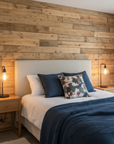
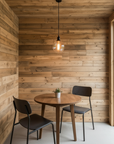
The key trait of rustic interior design is a reliance on unvarnished, unadulterated natural materials, with wood and stone being particularly emphasised in rustic interiors.
If you think of a rustic cottage, you are often thinking of exposed wooden beams, stone brickwork and possibly even something like wattle and daub, a highly traditional construction material which complements exposed timber framing.
What matters as much as the natural materials themselves is the intentionality of the materials used.
Much like our scaff brick cladding, rustic interior design is focused on reclaimed materials and woodgrains that are not necessarily engineered or finished to cohere together but instead naturally attract.
Ultimately, rustic design is about choosing materials that look good because they are strong and work well in your room, which means celebrating the imperfections that are an inherent result of choosing natural materials and the centuries of history that come with them.
What Colour Schemes Define Rustic Interior Design?
Much like how the materials chosen for a rustic design are natural, are often local to your area and are based around function and purpose rather than pure aesthetics, the colour schemes are also far more focused on the earth.
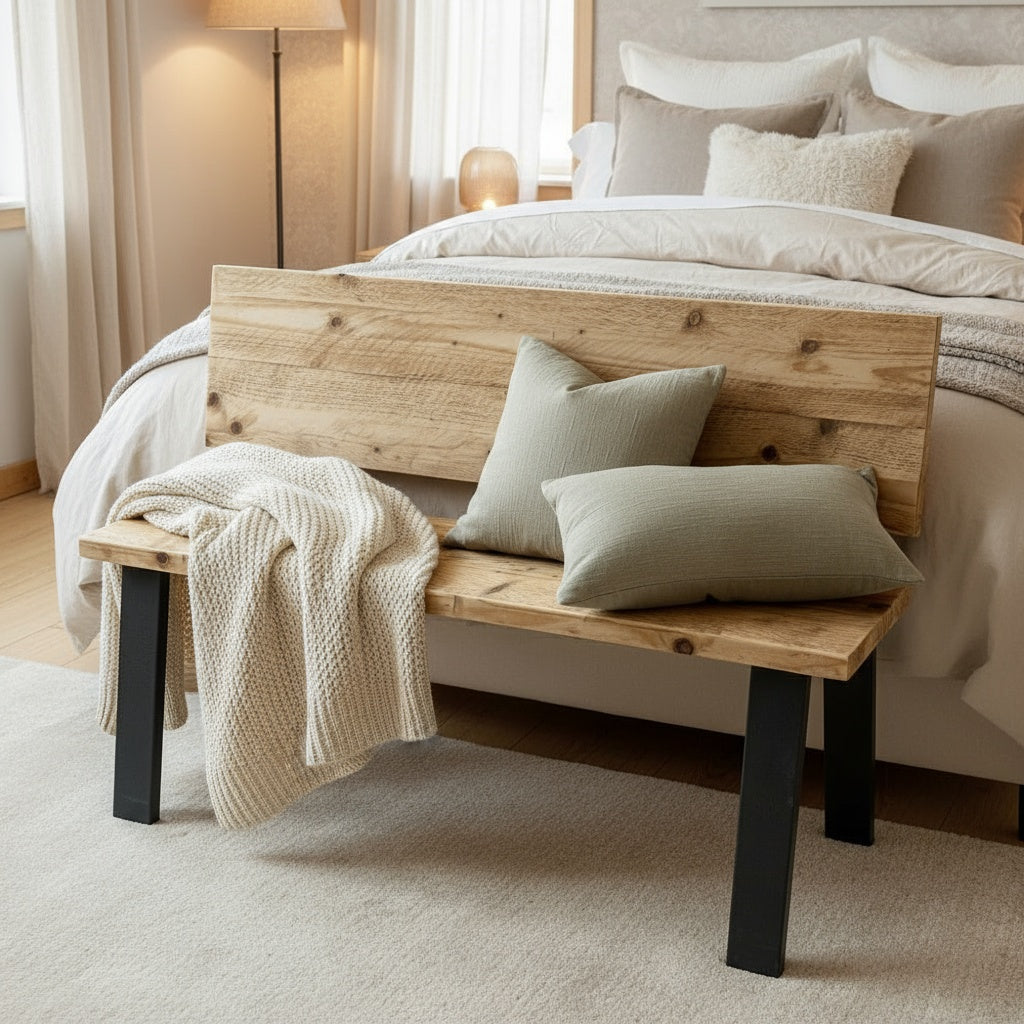
It tends to incorporate a lot of neutral, natural shades, particularly beige, grey, light brown, off-white and pale green, whilst eschewing many overtly bold and artificial shades.
Whilst bright colours have existed since the dawn of time and are found in nature, bolder colours are often associated with luxury due to their rarity.
Ultramarine blue, derived from lapis lazuli, for example, was at one point as valuable as gold, and whilst a beautifully striking shade, it is unlikely to be used in a rustic design.
What Textures Define Rustic Interior Design?
Rustic design celebrates coarse textures, which often include unvarnished wood, bare stone and coarse materials that are designed more to be hard-wearing than soft and luxurious.
Many of these materials are familiar sights in a lot of homes; canvas, hessian and bamboo fabric are often used either as hard-wearing rugs, accent fabrics or throws on top of furniture.
These types of textures suit hard-wearing furniture such as our line of reclaimed scaffold benches perfectly.
What Textiles Are Typically Used In Rustic Interior Design?
There is a contrast of textiles involved in rustic design, often based around function rather than form. Whilst roughly-hewn fabrics have their place in rustic design, they are often complemented by natural fabrics as well.
Wool, cashmere, organic cotton and linen, all of which are natural and not overly dyed, are perfect accoutrements to a rustic interior.
The template is hygge, the natural Scandinavian rustic minimalism that focuses on cosiness over everything else, with comfort, softness and calmness being a key focus on this particular subset of rustic interior design.
What Types Of Design And Decor Work Best In Rustic Interior Design?
One of the most beautiful aspects of rustic interior design is that it complements other design styles and standards perfectly, because rustic is a commitment to principles rather than a rigidly defined design style.
We commonly espouse the virtues of rustic industrial interior design, which celebrates not only the natural woodgrains and materials found in nature but also the heritage of the wood and metal typically used in scaffolding and other industrial processes.
As well as this, rustic interiors are ideally suited to a wide range of other handmade design elements.
Whether they include pottery, rattan, woven storage baskets, rugs, blankets and handmade furnishings, there is usually a way to incorporate rustic stylings into your home.
Featured product




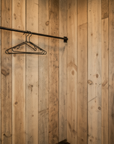
DIY CORNER DESK
The Scaff Shop works with customers on many levels. Some need more time, tools, or necessary skills; no matter the reason, you can purchase everything you need, and it can be delivered to your door as a finished product. Some customers have the time, skills and tools that may want to build your corner desk, and that is cool with us, too! What we have offered below is a list of the products required to make your perfect corner desk.
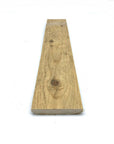
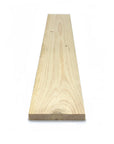
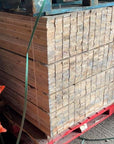
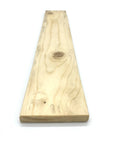
First up are the Scaffold Boards. One thing to remember when buying reclaimed scaffold boards is that they have previously been used. The life-altering wear and tear changes to those boards make them unique compared to new boards. For this, you will need four six-foot boards and two two-foot boards. Once the boards have been cut and joined together using biscuits, glue, and clamps, they will make the desktop. Sounds easy. Well, I'm sure there will be some sweat and tears before you finish.
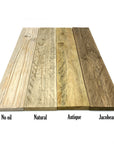
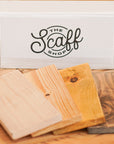
Once the desktop is joined, you can start the finishing process by rubbing it down and selecting the type of oil you want to use to finish your desk. The last part is deciding what legs you want to use with your desk, which depends on the look you are going for.