Beautifully Hand Made
What Does An Industrial-Style Bathroom Look Like?
MADE IN FROME, SOMERSET

When we think of industrial interior design, we tend to think of living rooms and kitchens, but this most unique of design languages translates to practically any room in the house, including bathrooms.
Having worked in industrial settings and with industrial materials for over 15 years, we often have a look at where a rustic style would fit best in any room, and the push towards the spa-like aesthetics common in modern bathrooms can easily be given a distinctive industrial twist.
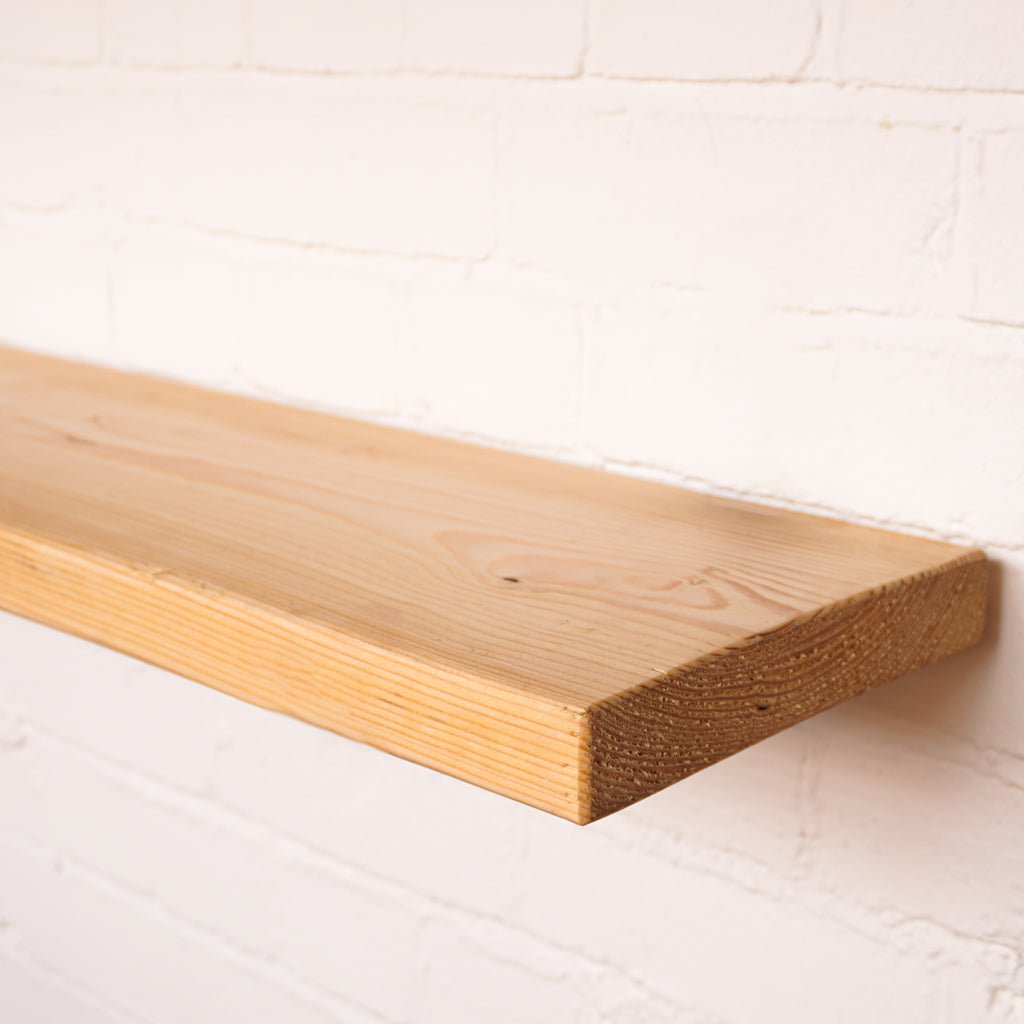
The key to this success is knowing your materials, fitting the right reclaimed floating shelving in alcoves and on walls as far away from water splashback as possible, and thinking about how you would want your industrial style bathroom to make you feel.
Thankfully, there is a tremendous level of scope when it comes to industrial-style bathrooms, and with that in mind, here is a guide to industrial-style bathrooms, what they look like, how they feel, and how to get the style for yourself.


What Are Some Examples Of Industrial-Style Interior Decor?
An industrial-style bathroom can take various forms, but at its core it is the celebration of construction materials and their stylistic use in a bathroom setting to give it a particularly distinct look that celebrates its functional aspects rather than trying to hide them.
Industrial-style is a remarkably broad church, which means that on the one hand you get industrial styles reminiscent of Art Deco, the distinct use of luxurious new materials and mechanisms, particularly the use of gleaming stainless steel and geometric tilework.
On the other hand, you get a style closer to rustic industrial, where metal, stone and concrete are mixed with reclaimed wooden accessories such as scaffold shelf kits to produce a celebration of the raw elements which make up a building rather than attempt to mask them.
As with many other industrial bathroom styles, steel and glass are core elements, but the raw materials of a room are far more accented. Black steel, tiles and ceramics are common, as are polished stone and even beton brut concrete.
Are Industrial-Style Bathrooms The Same As Industrial Bathrooms?
Whilst it is so easy to be confused by the nomenclature, no, an industrial-style bathroom is not the same as the types of industrial bathrooms required in workplaces such as construction sites or factories.
Industrial-style bathrooms are inspired by the artistic, heritage-chic that comes from how industrial buildings have been turned into stylish lofts, not necessarily the original facilities those warehouses and factories may have had in the past.
There are some overlapping stylistic elements, such as the use of whitewashed brick walls, concrete, rectangular long sinks and flooring designed with practicality in mind over aesthetics.
However, any similarities are purely incidental; you are unlikely to see Art Deco flourishes, sealed reclaimed scaffold board floors or ornate steel taps in a bathroom intended to clean away industrial waste and debris from a brutally hard day.
Instead, the intention is more focused on letting you soak and settle and wash away your worries in a beautiful, character-rich environment.
Why Use Floating Shelving In Industrial Style Bathrooms?
In most parts of your home, we believe in industrial interior design’s unique power to celebrate the functionality of every element of your home, but in the case of a bathroom, floating shelving is often the best choice to avoid the issues that come from splashback and humidity.
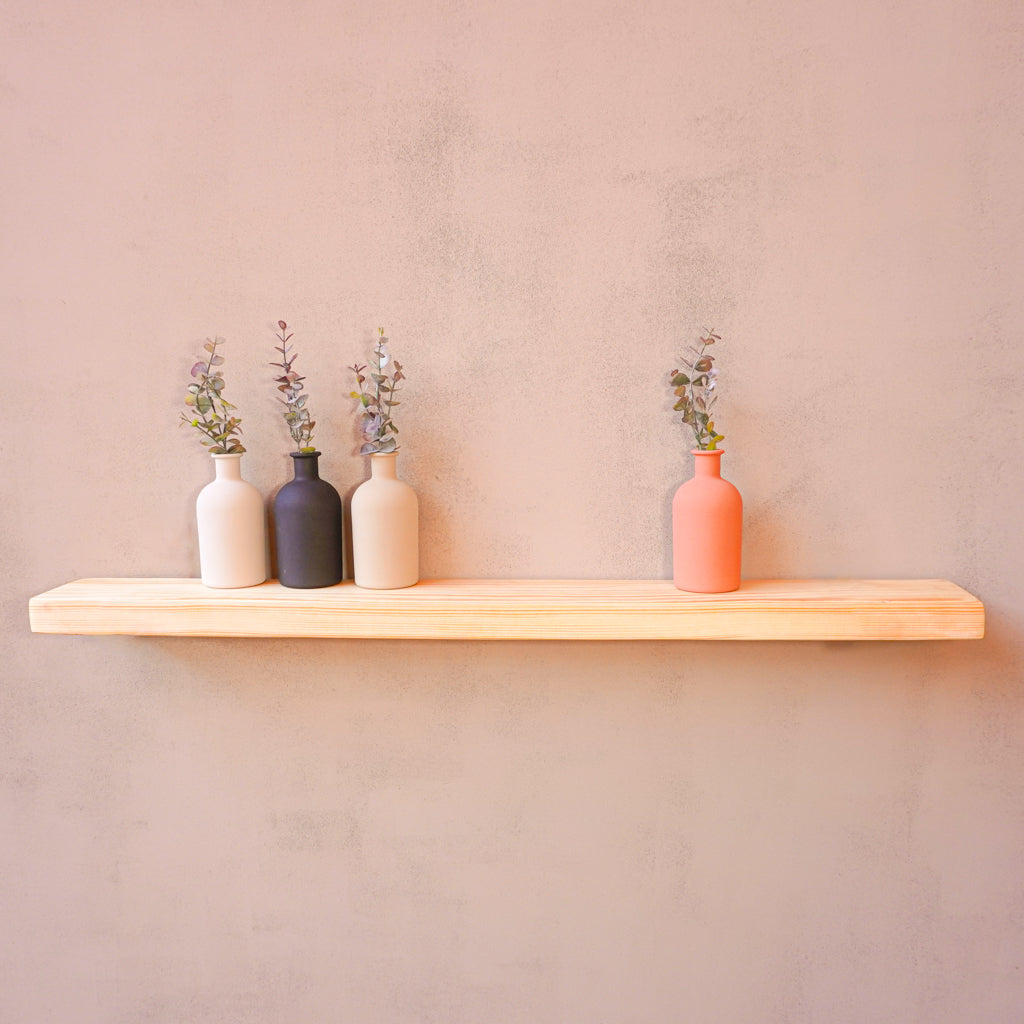
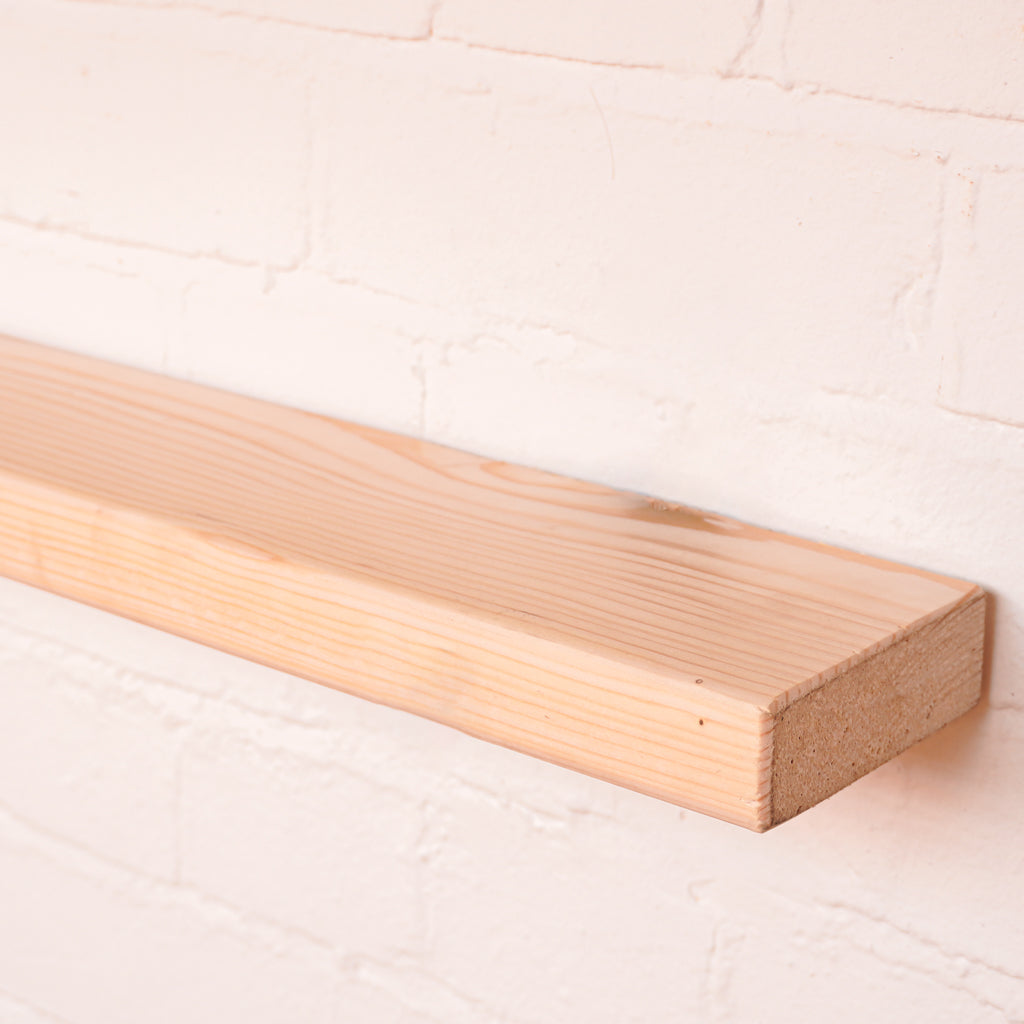
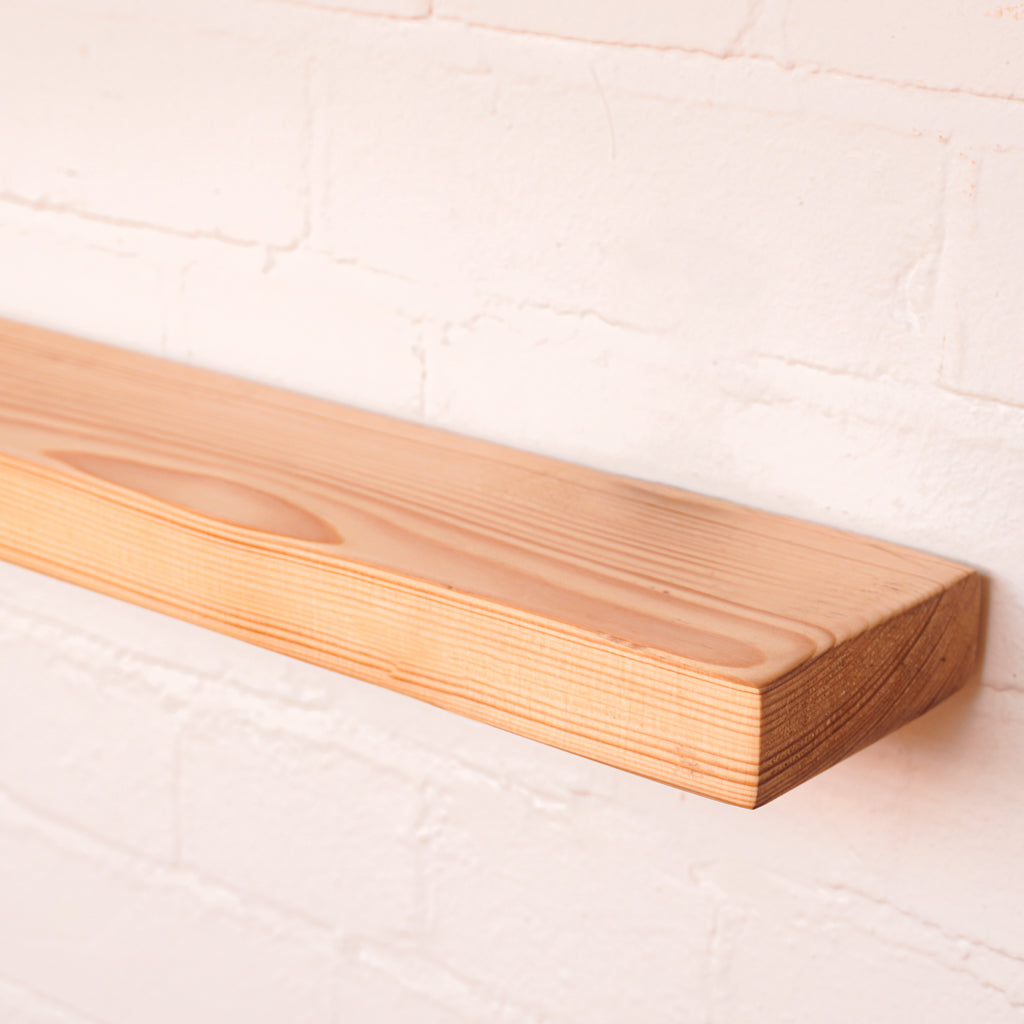
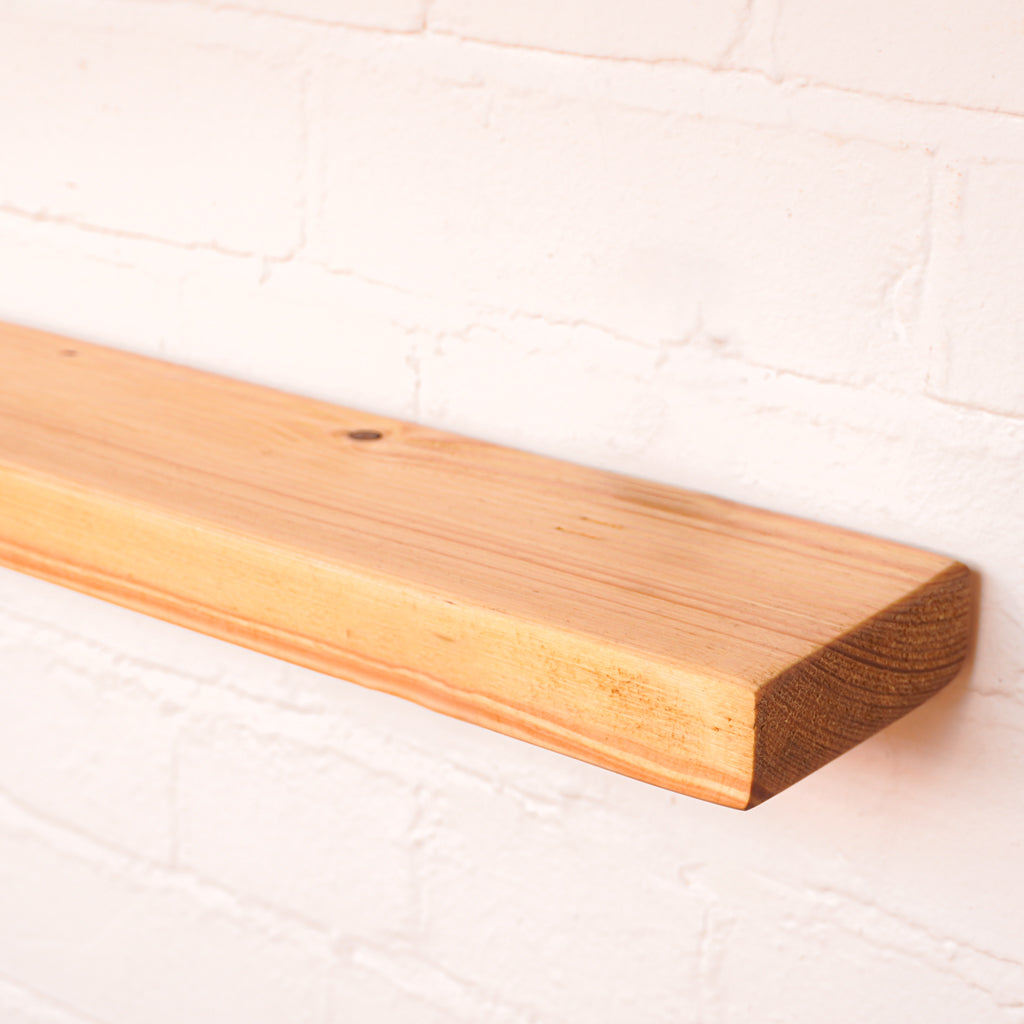
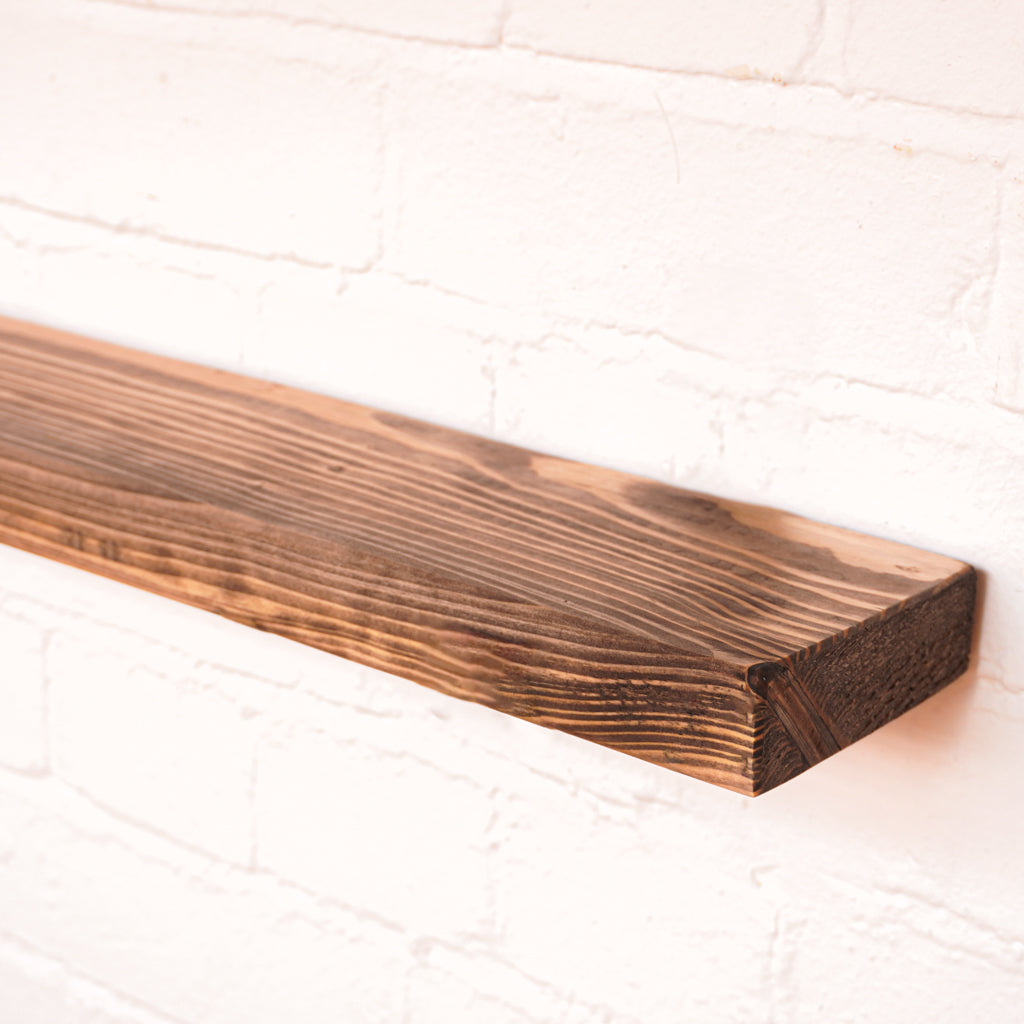
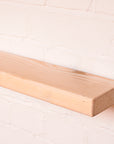
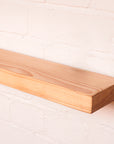
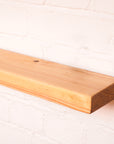
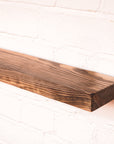
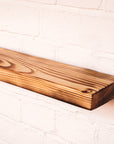
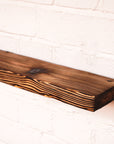
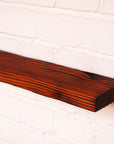
In particular, a narrow reclaimed shelf kit with a suitably water-resistant finish is perfect for placing above a sink but under a mirror for additional easy storage of toiletries, toothbrushes and other bathroom essentials.
What Are The New Bathroom Trends For 2027
Bathrooms constantly evolve, with tastes and trends commonly changing with the times and seeing some frequent cycles between forward-looking minimalism and a comforting celebration of heritage and character.
Whilst determining the trends for any given year is always somewhat difficult, here are the prevailing winds we have noticed during 2026 and where reclaimed wood fits in these styles.
Spa-Like Aesthetics
Probably the most striking and likely the longest-lasting bathroom design trend is a shift away from an infinity of white ceramics towards a more naturalistic, spa-like look.
Most of the time, this means using a lot of polished stone, marble, black or gleaming metal finishes of various tones, and an emphasis on finishes.
When it comes to relaxation though, few materials are as effective at bringing out a natural ease as wood, and the reclaimed scaffold and pallet wood we use is an ideal flooring solution for many baths, as long as it is suitably treated and made as water-resistant as possible.
Wooden vanities, wooden shelves and wooden trays and charcuterie boards with tealights on them help to create a multisensory atmosphere when you soak in a luxurious bath or take a slightly longer shower.
Playing With Patterns And Textures
The era of minimalism may be coming to an end, but the time of unapologetic maximalism is yet to be born. Now is the time of pattern and texture experimentation.
There were signs of this with the rise of the statement powder room in homes large enough to have a powder room and a bathroom, but as interior design has gotten distinctly more personality-driven, it makes sense to explore this using your bathroom as a canvas.
Reclaimed wood is excellent for this because of its inherently unique textures and grains. It provides a particularly unique base for experimentation and immediately makes an impact given how rare wood is in bathrooms.
Statement Bath Rugs
If you have a wooden bathroom floor, a good way to protect it is with a statement bath rug designed to capture drips and extra moisture from your feet.
Wet Rooms
The shift to a spa-like aesthetic has also brought with it the rise of the wet room, an all-encompassing bathroom design concept where the entire floor and walls are designed to be waterproof.
It is possible to use wooden shelving and cladding here, but you may need to fit a screen to avoid shower splashback, as well as ensure that the room has suitable fans and ventilation to tackle excess humidity.
Luxurious Nostalgia
Finally, there has been a distinct shift away from clean, almost futuristic-looking bathrooms to ones guided by luxurious nostalgia, which allows for far more unique uses of materials, colours, textures and design styles based on your personal preferences rather than strict design dogma.
What Makes a Bathroom Look Outdated?
- rass finishes rather than brushed nickel or chrome
- Yellow lighting
- Glass block rather than a glass shower screen
- Bathroom carpets
- Oversized vanities with dated designs
Is Industrial Design Still Relevant In 2026?
Industrial design has had a serious moment over the 2020s but has shown no signs of stopping anytime soon.
The rise of the Brooklyn loft revival shows just how much potential industrial interior design still has to offer, and with a distinct move away from minimalism towards something that celebrates the inner workings of your home more, it will stay relevant for a long time.
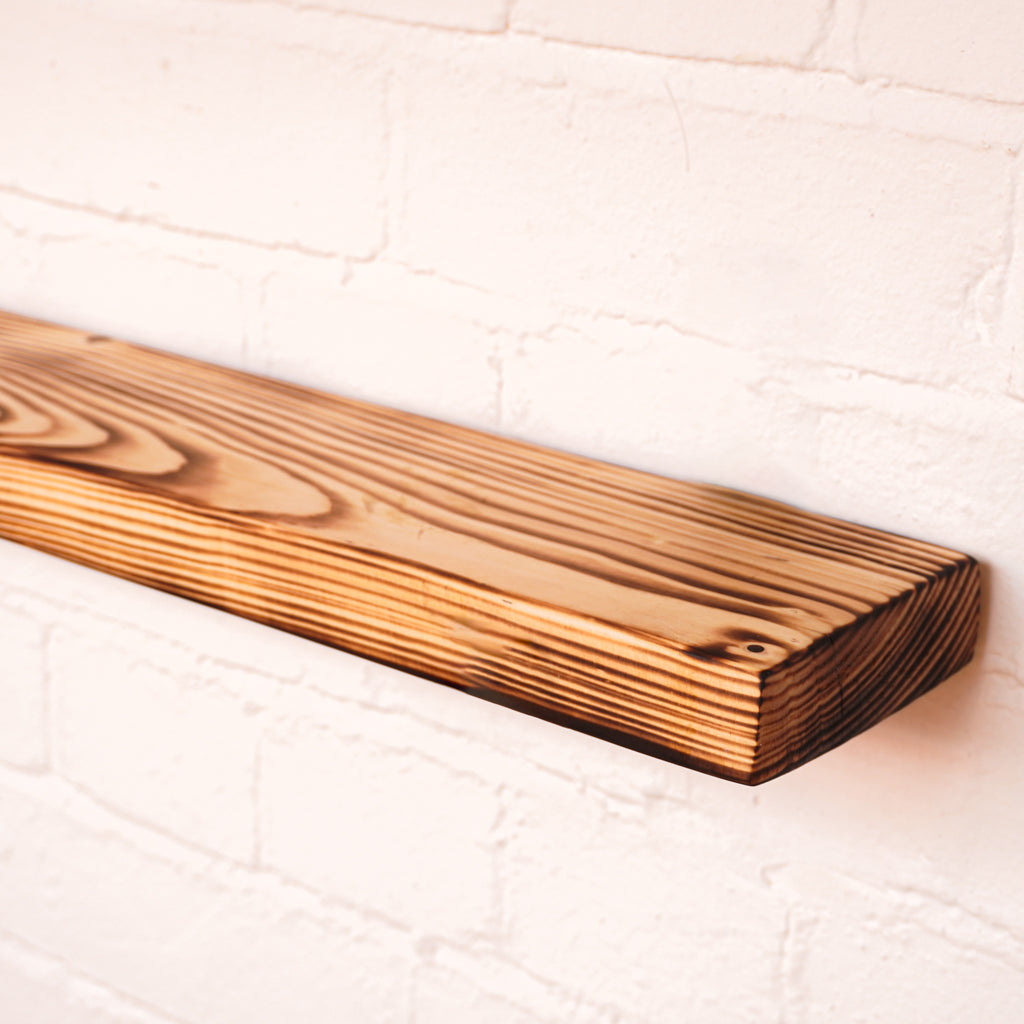
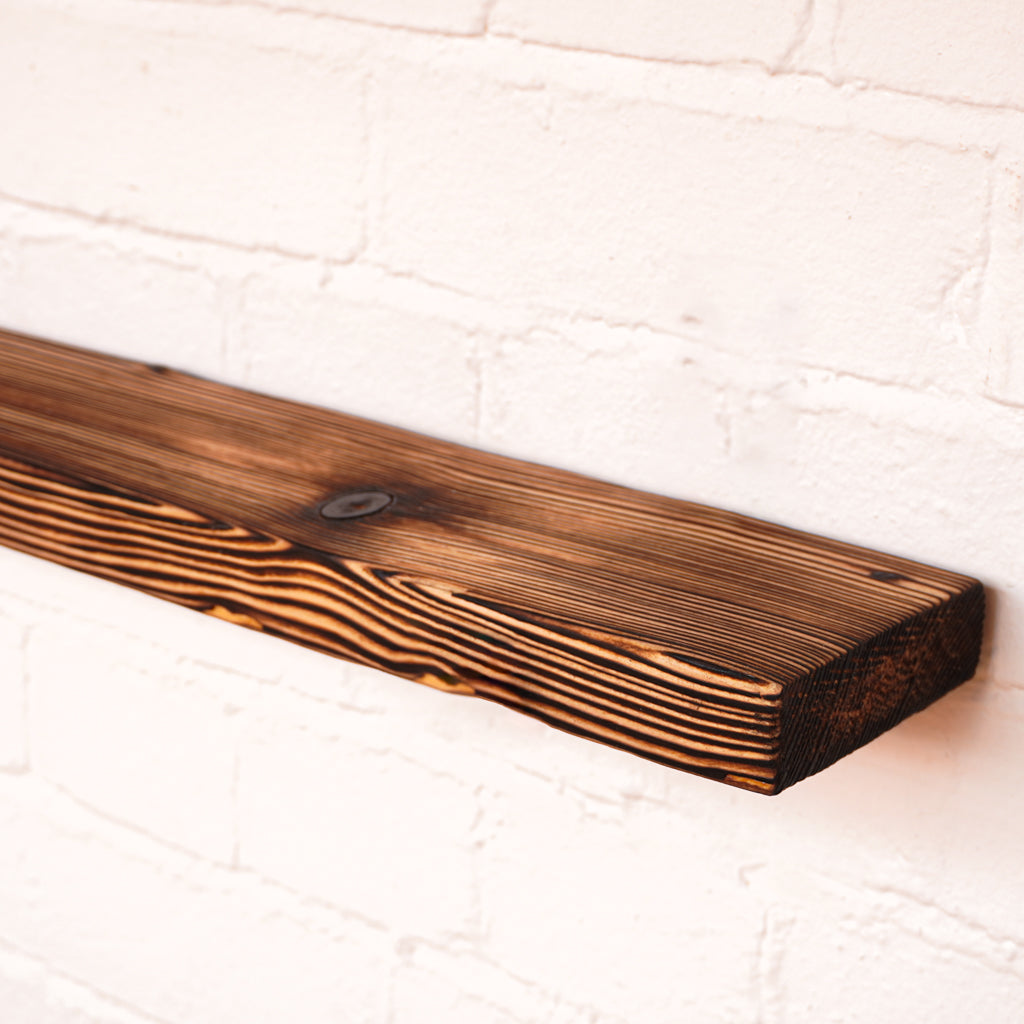
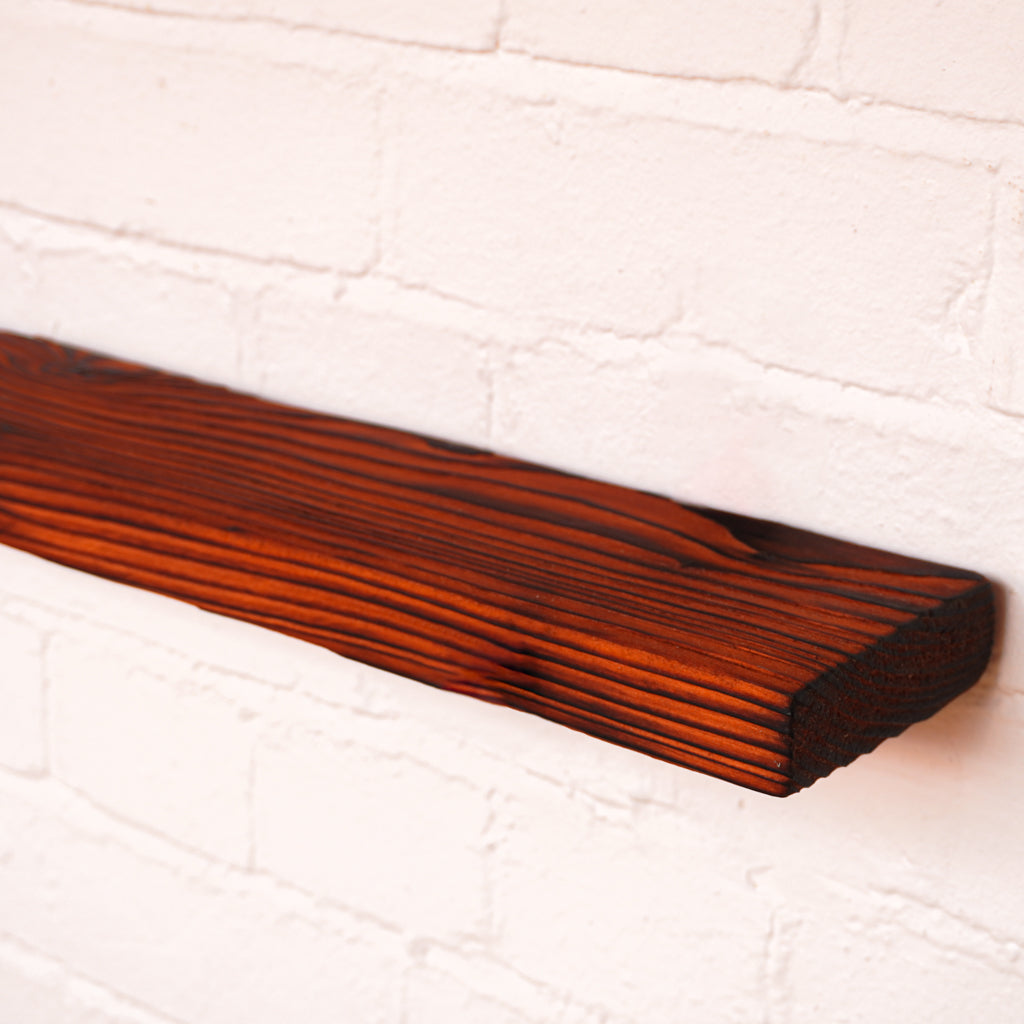
Ready to bring authentic industrial character to your bathroom? Explore our collection of reclaimed wooden floating shelves, with each of our pieces expressing a love for the heritage and history that defines industrial interior design.
Featured product

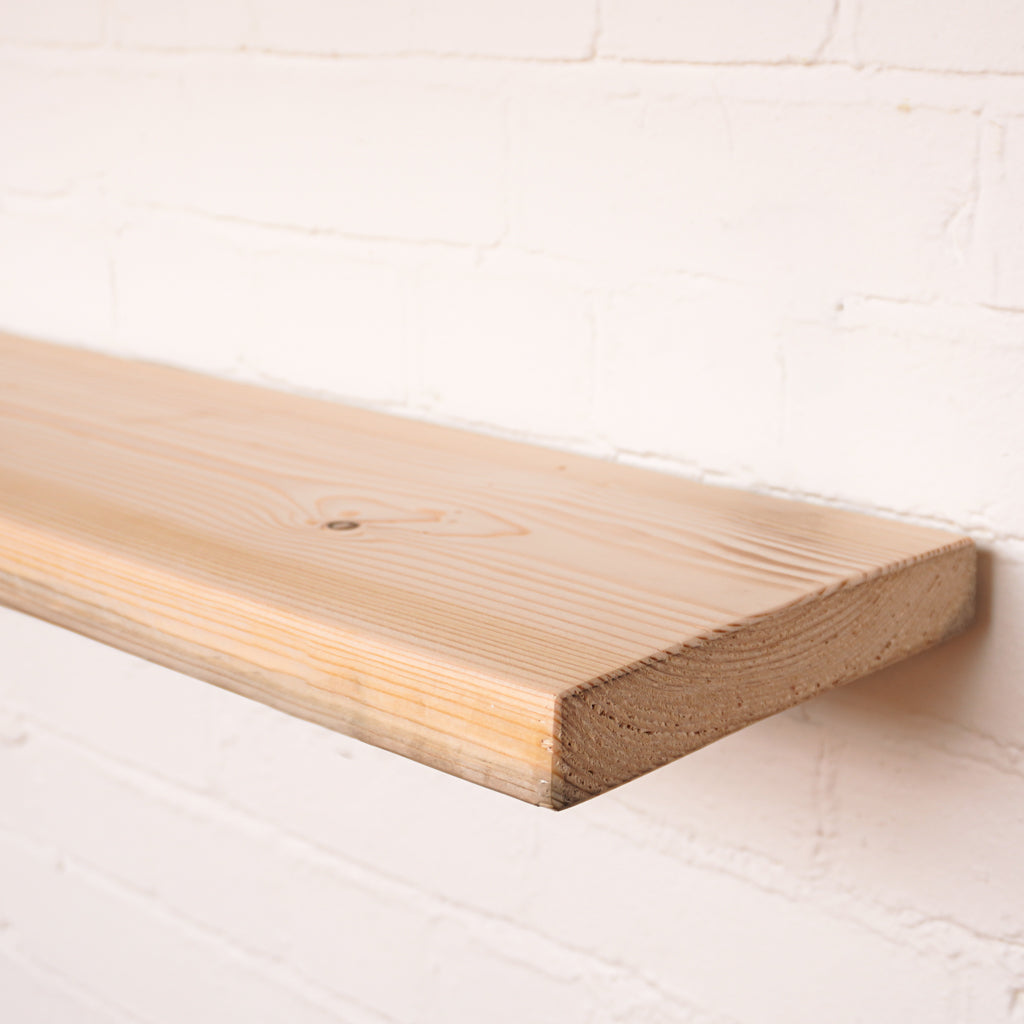
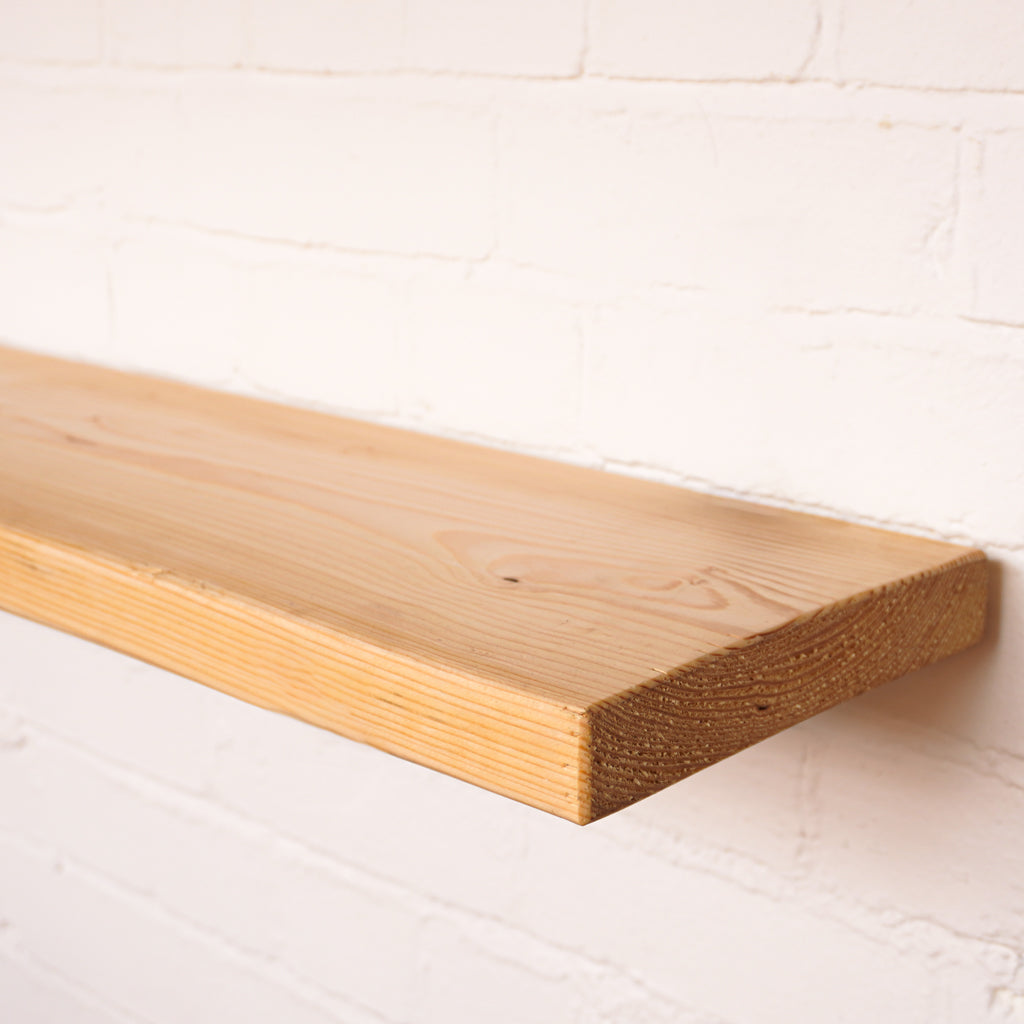
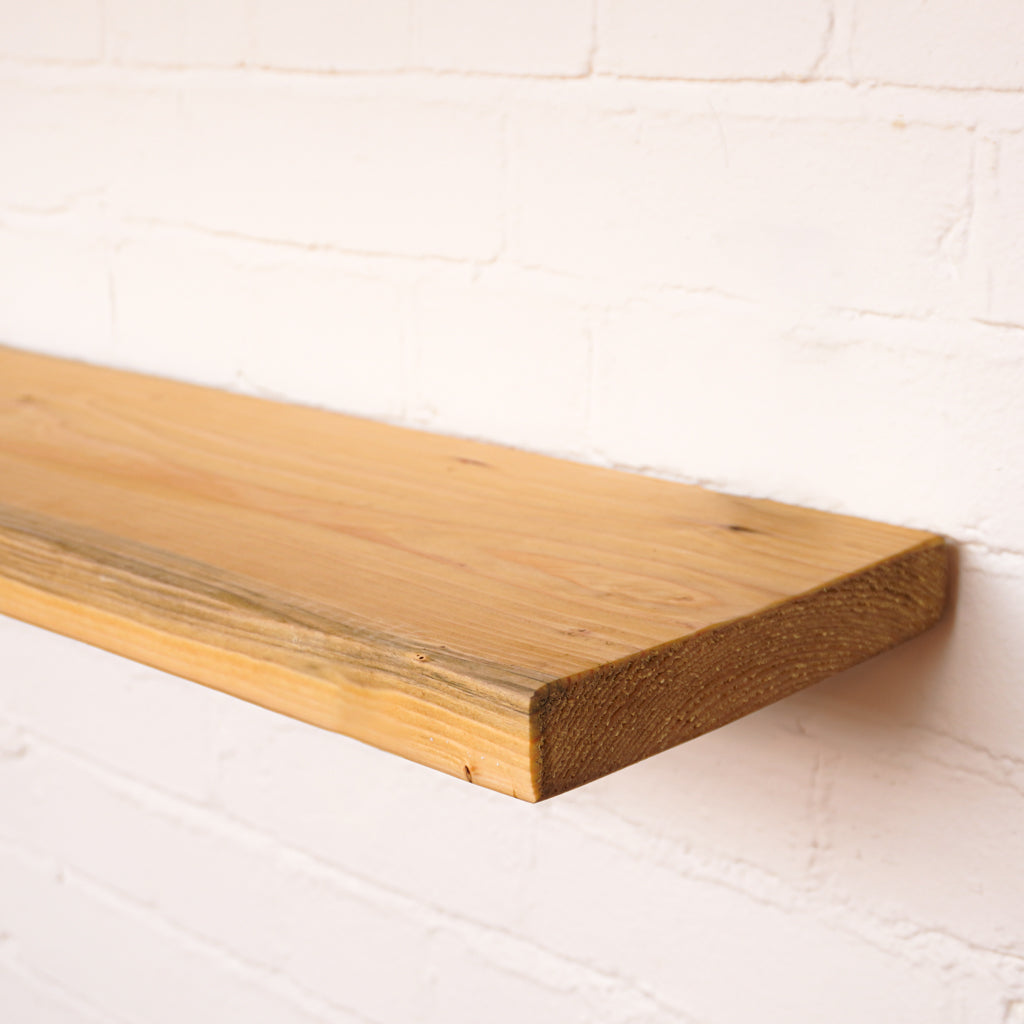
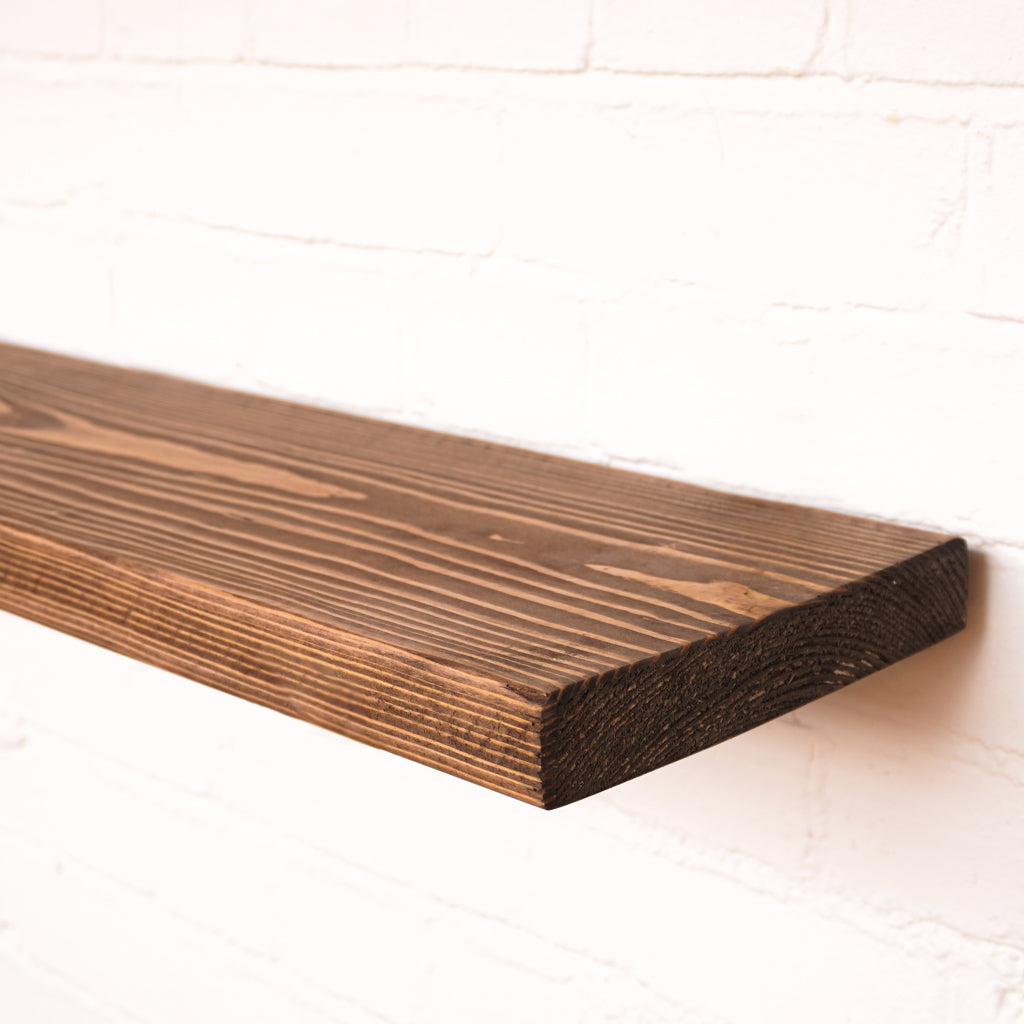
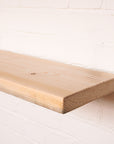
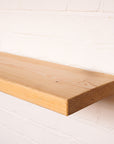
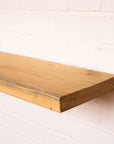
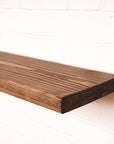
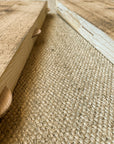
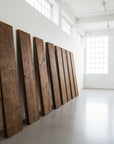
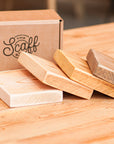
DIY CORNER DESK
The Scaff Shop works with customers on many levels. Some need more time, tools, or necessary skills; no matter the reason, you can purchase everything you need, and it can be delivered to your door as a finished product. Some customers have the time, skills and tools that may want to build your corner desk, and that is cool with us, too! What we have offered below is a list of the products required to make your perfect corner desk.
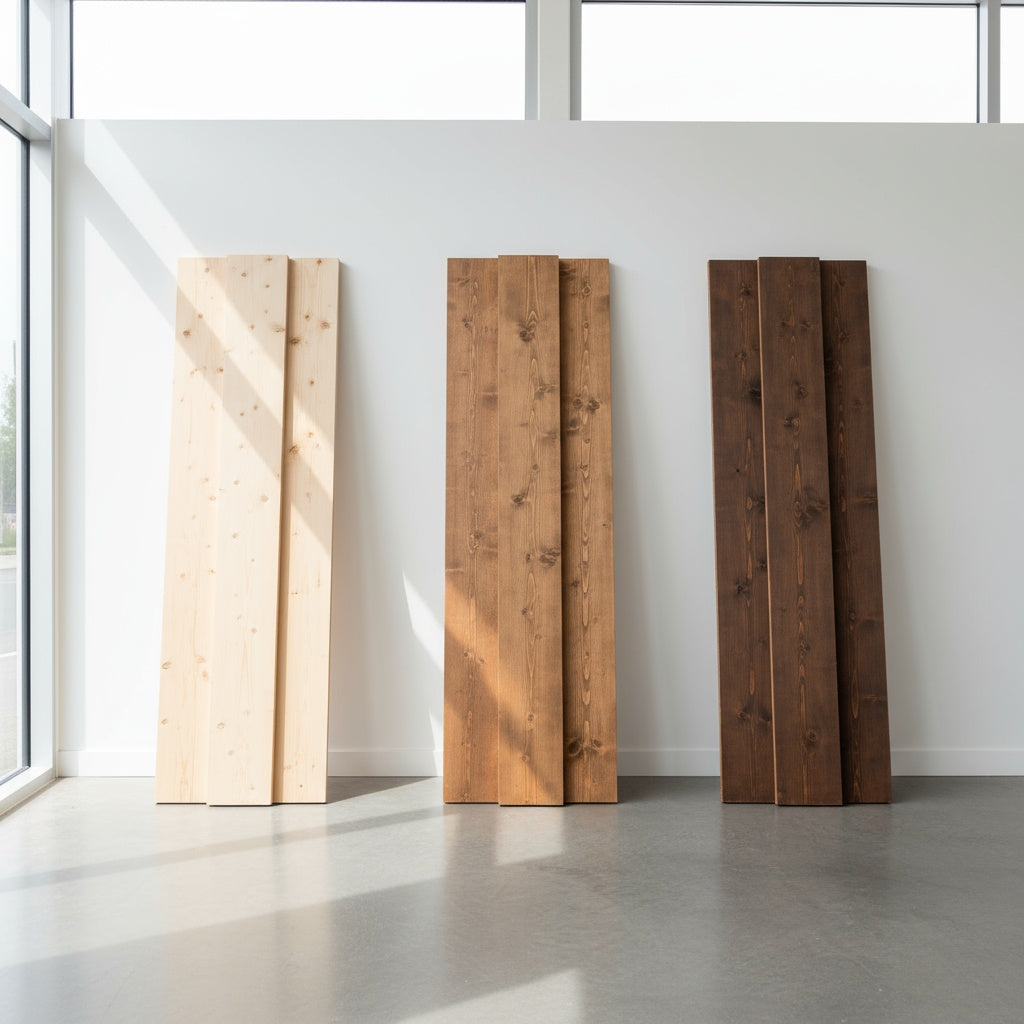
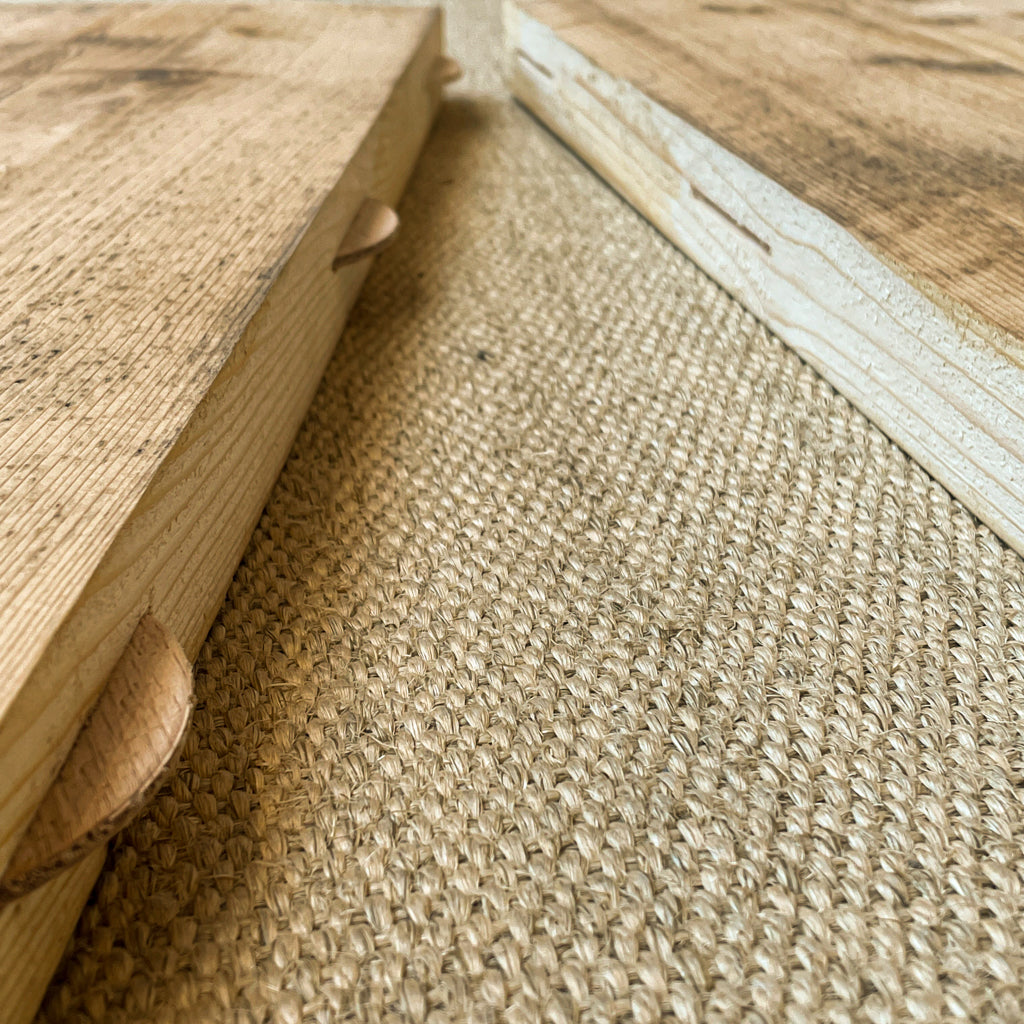
First up are the Scaffold Boards. One thing to remember when buying reclaimed scaffold boards is that they have previously been used. The life-altering wear and tear changes to those boards make them unique compared to new boards. For this, you will need four six-foot boards and two two-foot boards. Once the boards have been cut and joined together using biscuits, glue, and clamps, they will make the desktop. Sounds easy. Well, I'm sure there will be some sweat and tears before you finish.
Once the desktop is joined, you can start the finishing process by rubbing it down and selecting the type of oil you want to use to finish your desk. The last part is deciding what legs you want to use with your desk, which depends on the look you are going for.