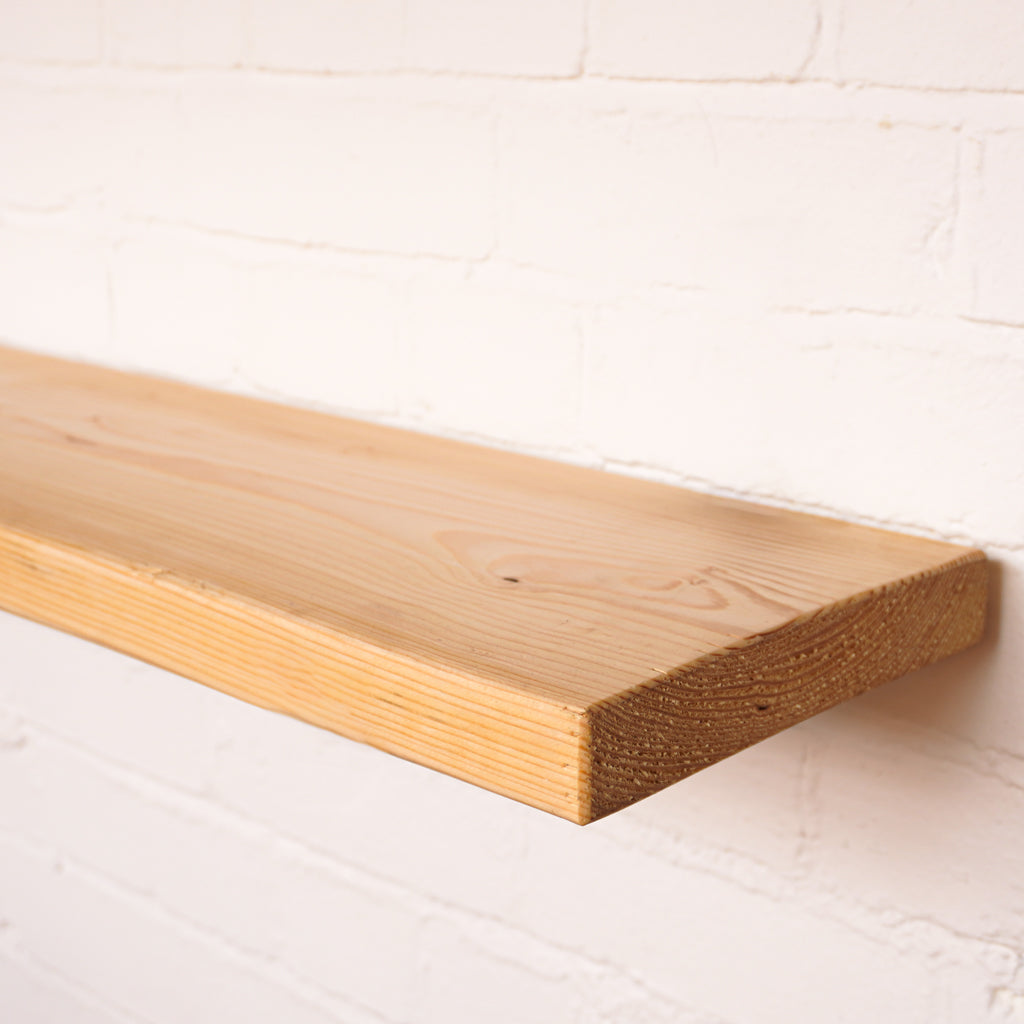
Beautifully Hand Made
Andy Warhol's Role In Popularising Industrial Interiors... & How To Get The Look!
MADE IN FROME, SOMERSET

Every truly stylish element of interior design either comes from the art world or the industrial world. However, in the case of industrial interior design, both came together and met in the middle, creating a fusion of creativity, practicality and style.
As we have worked with industrial materials for over 15 years, the design principles behind the rugged practicality of scaffold board and the elegant simplicity of a rugged set of shelves made from the same materials are far more blurred than you might expect.
The truest expression of art, contrary to what Oscar Wilde famously said, is to see the beauty in utility and the utility of beauty, and nobody captured this more than the legendary pop artist Andy Warhol.
Andy Warhol and the legendary Factory studios not only defined art as we know it today, but also his preoccupation with the crossroads of culture and commerce, as well as the necessary sacrifices one makes as an artist in New York City, created what we know as industrial interior design.
How did he do this? Why was The Factory so important? And how can you get the look for yourself?
To answer these, we must start with a simple question: Who even was Andy Warhol?


Who Was Andy Warhol?
Born Andrew Warhola in Pittsburgh, Pennsylvania, Andy Warhol started his creative life as a commercial illustrator working in the 1950s advertising sector, and this idea of art as both a product and part of industry shaped his entire oeuvre.
Within weeks of his death in 1987, he described himself as having “always” been a commercial artist, and his fascination with the imagery of industry as well as the industrial process of not only replicating but creating art became part of his signature, broad style, later known as Pop Art.
Part of this was his focus on commercial imagery, the most famous of which was his legendary Campbell’s Soup Cans series made in 1962, but also his obsession with industrial processes in the production of art.
His other most famous work, the Marilyn Monroe screenprints collection, was made using a screen-printing process common in mechanical reproduction at the time, and this was the inspiration for perhaps his greatest contribution to interior design: The Factory.
What Was The Factory?
One of four increasingly New York industrial buildings, The Factory was Andy Warhol’s artistic home, which amalgamated his personal life, professional business and extremely diverse artistic interests.
The First Factory
The Factory was first founded in 1963 on the fifth-floor loft of 231 East 47th Street, Midtown Manhattan.
Inspired by a cheap, later condemned, former firehouse that he had previously used as a studio, the Silver Factory was initially completely devoid of any creature comforts, leaving four large walls and a concrete floor as a blank canvas.
Mr Warhol transformed it into a prototype for what would become the Brooklyn Loft look: leave all of the industrial fixtures and fittings in place, add outlandish furniture such as the now-infamous red couch that became a centrepiece of the New York art scene, and dress all of the pipes and fixtures in tin foil.
Unfortunately, before the heritage of old industrial buildings was truly appreciated, the historic building was demolished to make way for a car park, and Mr Warhol moved out in 1967.
The Second Factory
The second incarnation of The Factory on the sixth floor in the Decker Building (33 Union Square West, Manhattan) is arguably the most famous and most influential from a modern interior design standpoint upon the artist’s arrival in 1968.
A sprawling, cluttered, open-plan space, this particular version of The Factory saw a major change in both Mr Warhol’s art and his perspective of The Factory and its superstars, largely shaped by his attempted murder by Valerie Solanas that caused lifelong stomach injuries.
Instead, it was a place where the artist and a significantly different social circle of upper-class academics would work hard and play even harder, even if said revellers would need to be far more carefully scrutinised first.
The Third Factory
The final version of The Factory was the third floor of 860 Broadway, which represented the evolution of industrial interior design into its final form; where The Factory was once a bohemian sanctuary in the centre of New York City where artistic minds flowed in and out, it was now far more corporate.
However, this also proved that industrial interior designs work in reverse; rather than setting up makeshift art studios in warehouses because they were cheap, more corporate office settings were being made more bohemian through characterful furniture, fixtures and fittings.
Most of these pieces were collected from old film sets, but they managed to fit the office ambience.
Part of this was due to Mr Warhol’s somewhat justifiable paranoia; fearing another assassination attempt, he wanted to work somewhere more secure and less artistically identifiable.
Another part was to deliberately cultivate a more erudite salon-like atmosphere, appealing to the members of high society who were fascinated by Andy Warhol and the celebrities, artists and other members of the cultural zeitgeist who orbited him.
The Fourth Factory
The final Factory location, from 1984 until Mr Warhol died in 1987, was the Con Edison building on Madison Avenue.
A gigantic space with three individual wings, it represented the final chapter of Mr Warhol’s artistic life, one with some experimentation with new technology but largely a consolidation of his existing businesses, such as his film and television studio as well as the offices of Interview Magazine.
How Can You Get The Andy Warhol Factory Look Yourself?
The legendary Factory look is an early prototypical version of the bohemian Brooklyn loft, and the best way to get the same design yourself is to do what Andy Warhol did his entire life: celebrate the process, make it personal and create distinctive zones.
Celebrate Industrial Materials
One of the first steps the Warhol Superstars took with the Silver Factory was to cover all of the fixtures with silver foil, but you can get a similar finish by using authentic industrial equipment such as scaffold tubes.
The power of a reclaimed coffee table and allowing your exposed brickwork and ducting to shine is what makes a space unique and special.
Make The Space Yours
Warm up your space using layered textures, throws, soft furnishings and standout pieces of furniture. The Factory’s famous red sofa was rescued from the street, and industrial interior design is very welcoming to the idea of mixing styles and textures.
Zone Larger Spaces
Andy Warhol noted in his book Popism that the only major arguments heard in The Factory were about decoration, so he created a little office for himself and allowed the other people who regularly worked and lived in The Factory to decorate their space as they saw fit.
Whilst for artists this means taking a rather utilitarian approach and ensuring you have space for all of your tools, in your home this means having throws, rugs and partitions to help separate living areas, dining areas and workspaces.
Are you ready to bring the Factory look to your home? Take a look at our authentic industrial features and reclaimed wood shelves, and immerse yourself in the distinct character that inspired the 20th century’s most influential artist.
Featured product

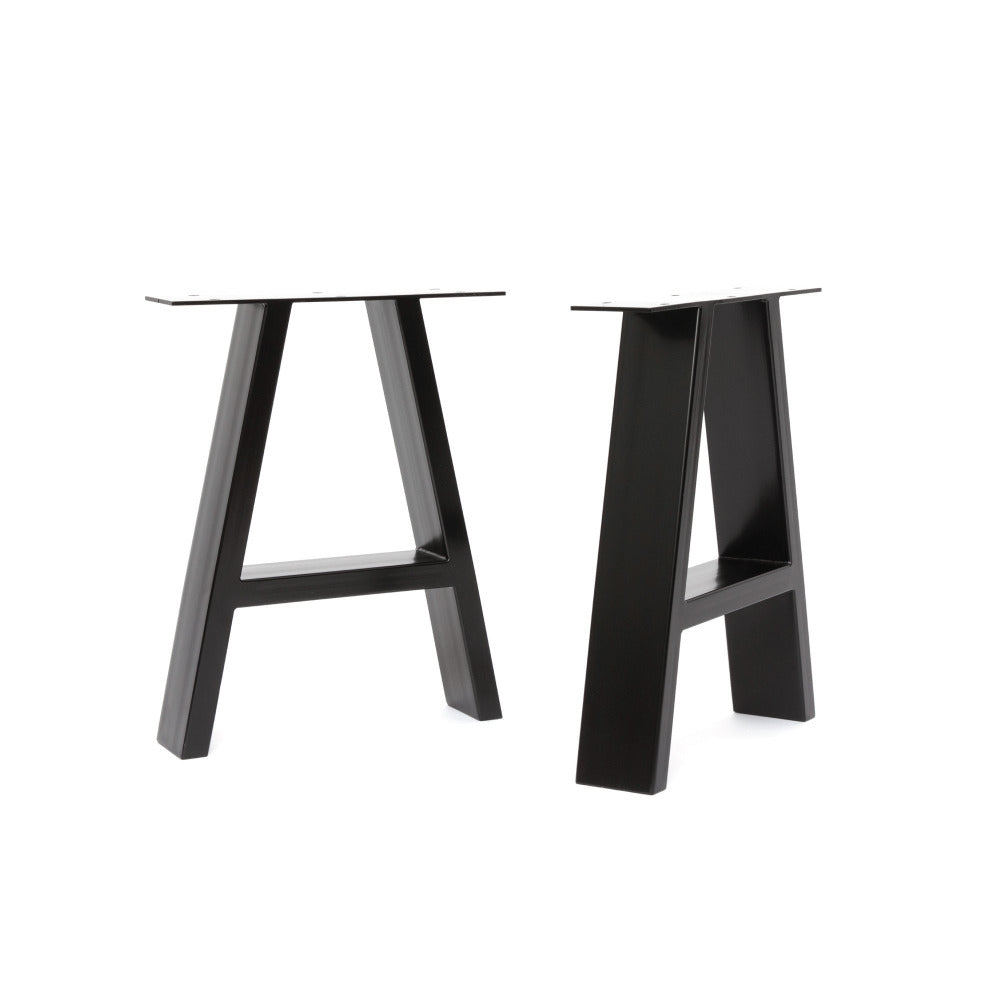


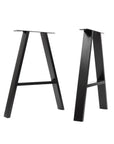
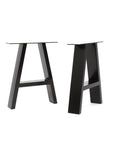
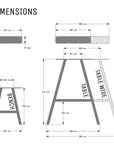
DIY CORNER DESK
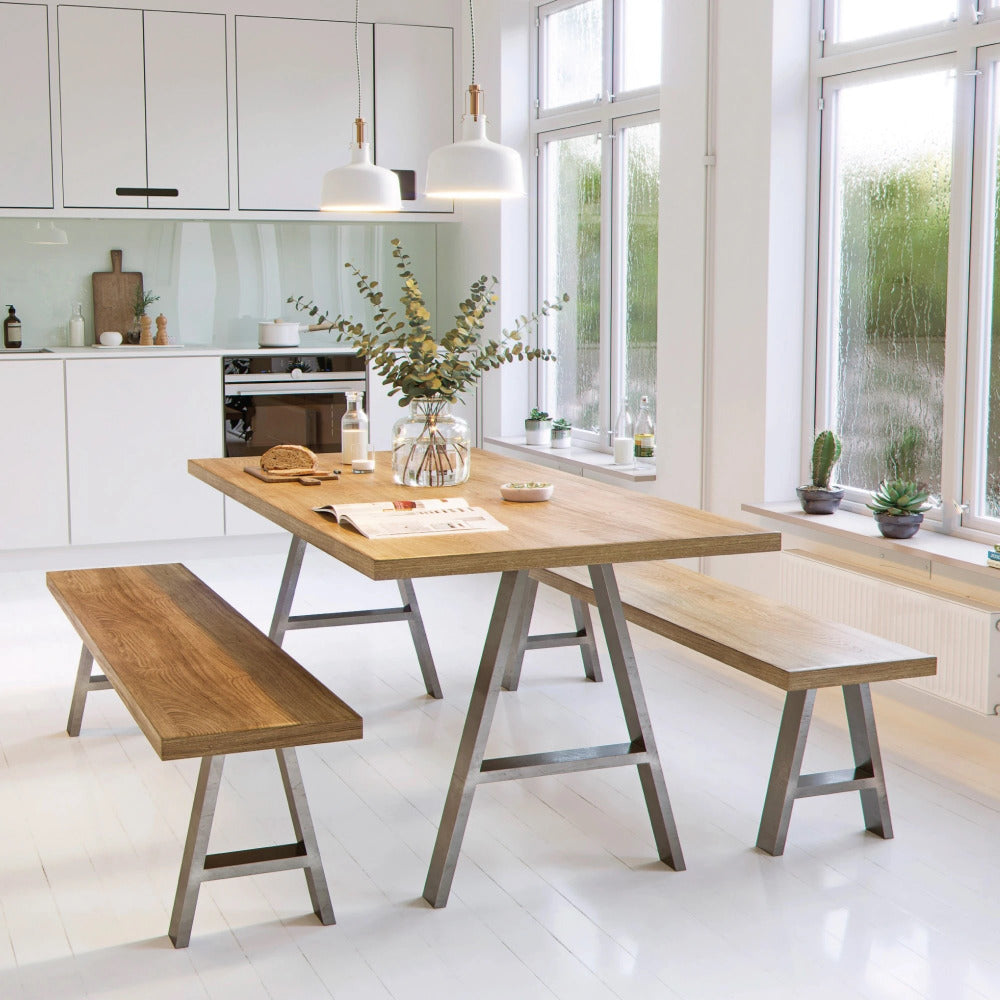
The Scaff Shop works with customers on many levels. Some need more time, tools, or necessary skills; no matter the reason, you can purchase everything you need, and it can be delivered to your door as a finished product. Some customers have the time, skills and tools that may want to build your corner desk, and that is cool with us, too! What we have offered below is a list of the products required to make your perfect corner desk.
First up are the Scaffold Boards. One thing to remember when buying reclaimed scaffold boards is that they have previously been used. The life-altering wear and tear changes to those boards make them unique compared to new boards. For this, you will need four six-foot boards and two two-foot boards. Once the boards have been cut and joined together using biscuits, glue, and clamps, they will make the desktop. Sounds easy. Well, I'm sure there will be some sweat and tears before you finish.
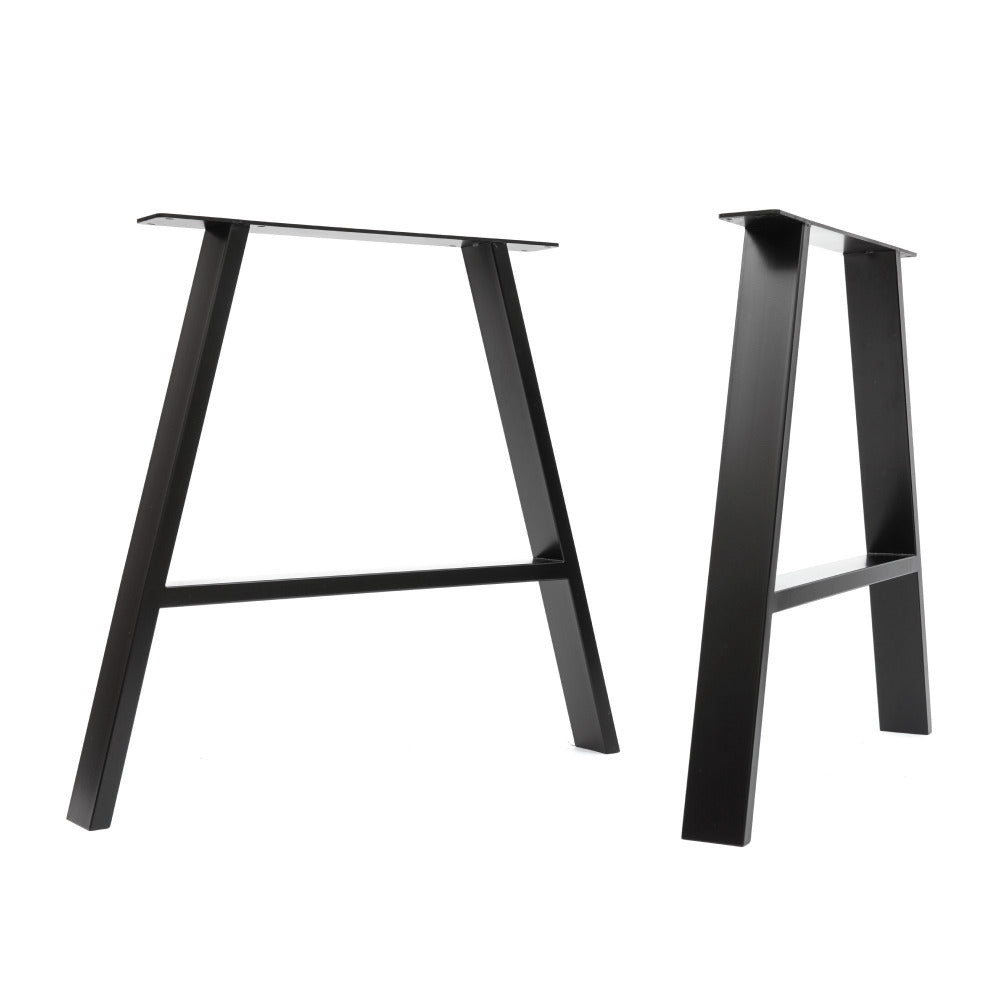
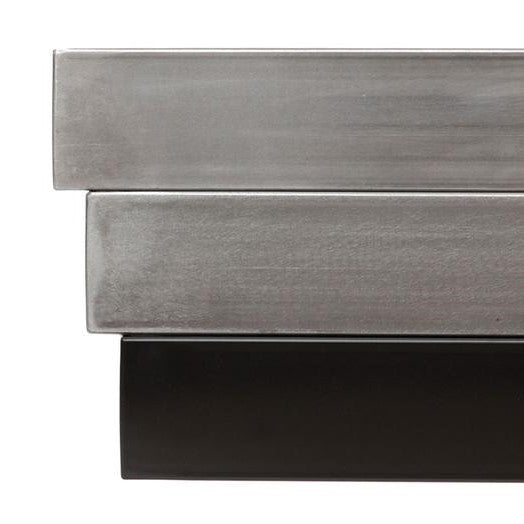
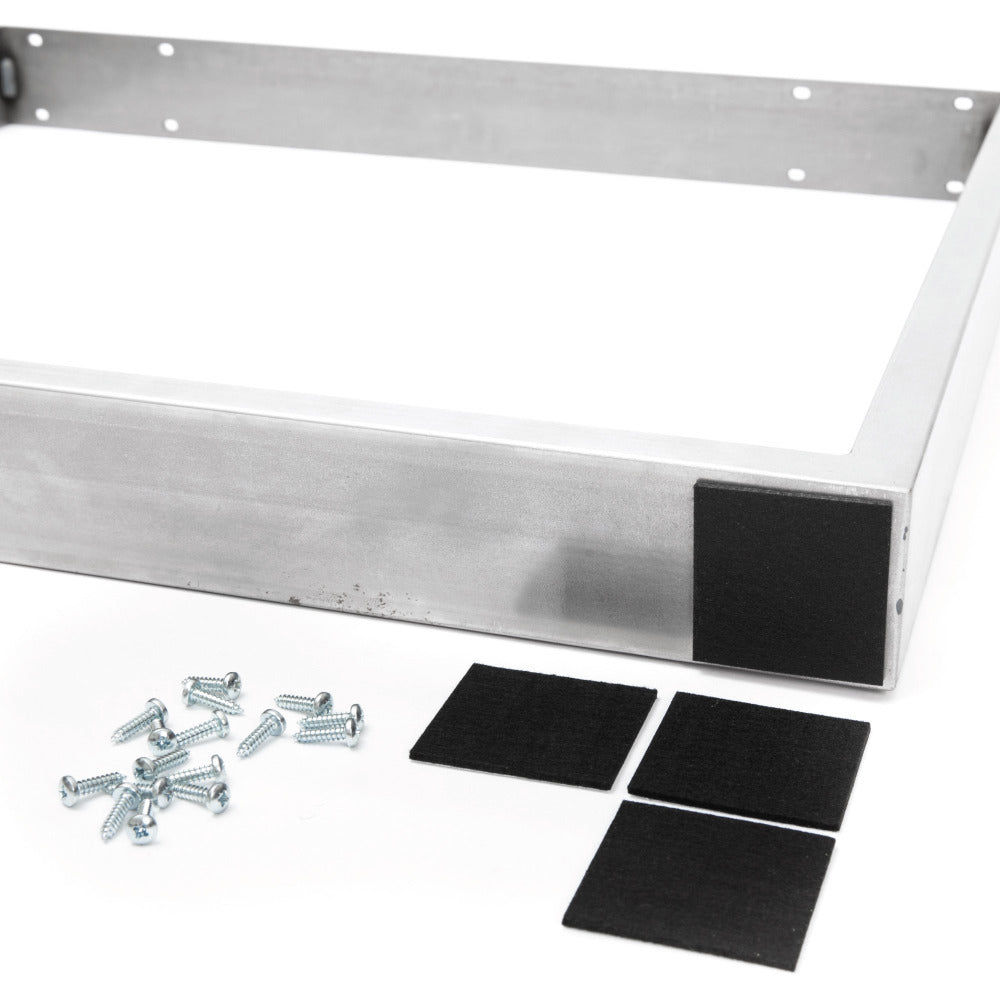
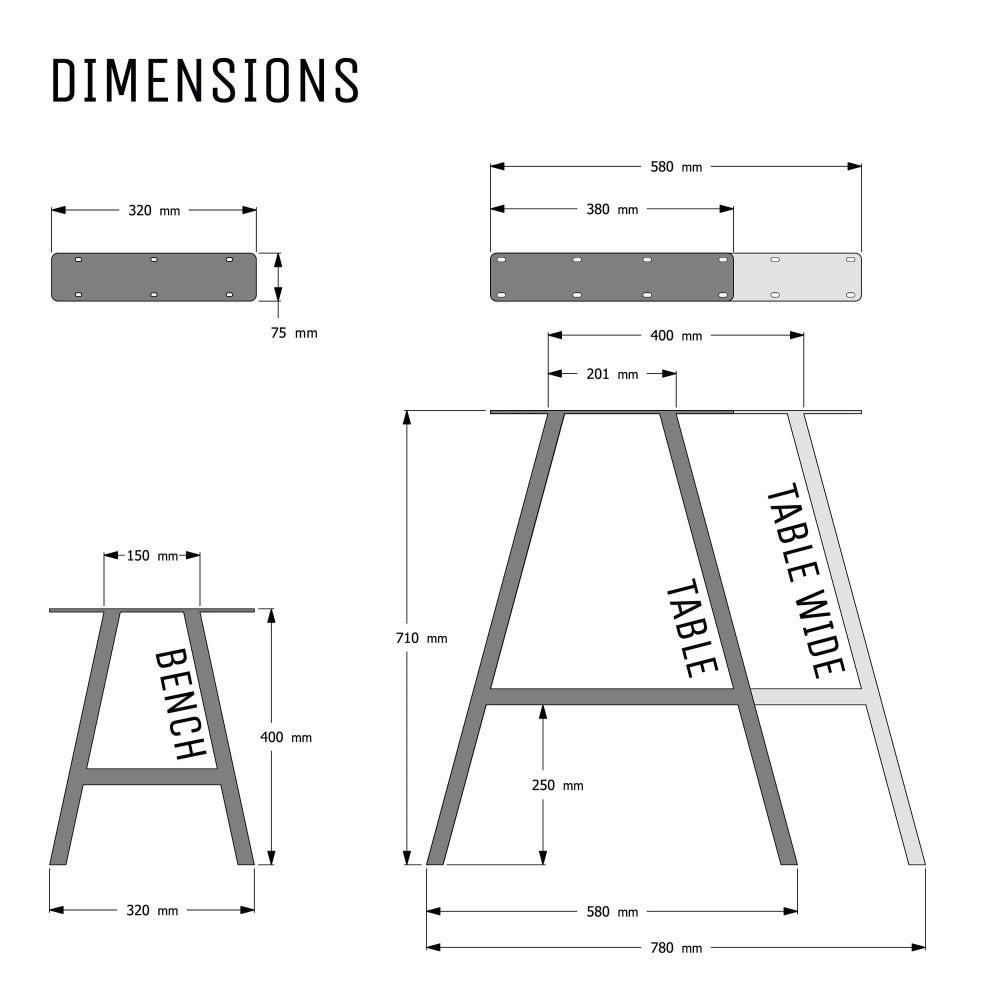
Once the desktop is joined, you can start the finishing process by rubbing it down and selecting the type of oil you want to use to finish your desk. The last part is deciding what legs you want to use with your desk, which depends on the look you are going for.